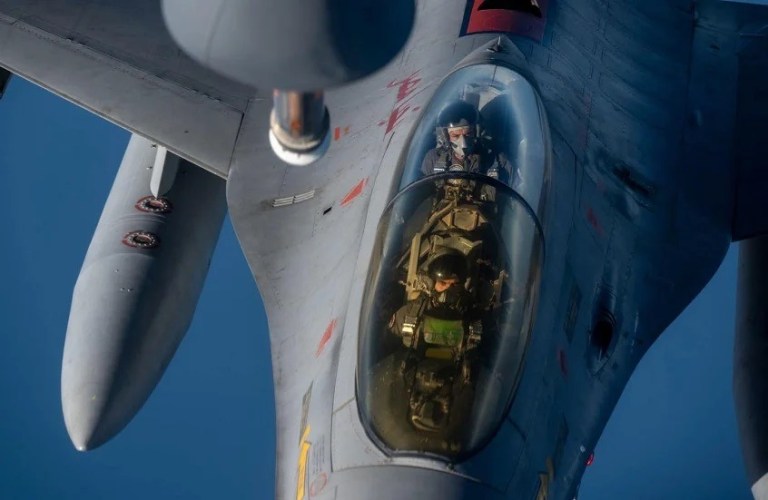

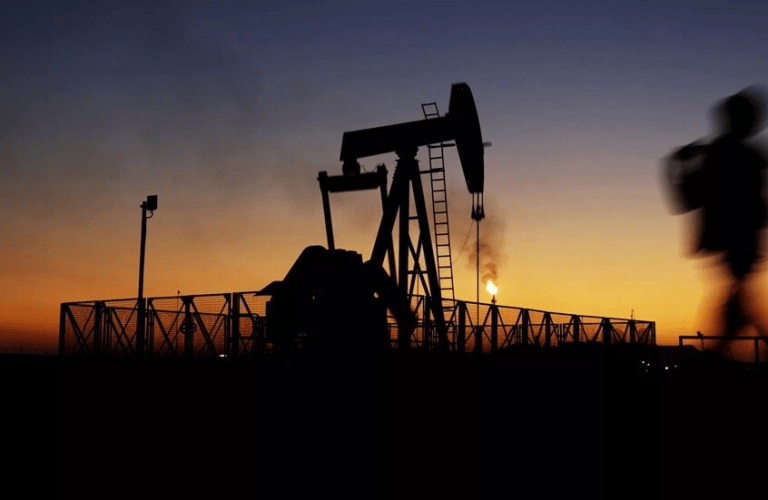
The U.S. Department of War, commonly known as the Pentagon, has secured preferential rights under a new agreement to purchase a portion of the oil produced from 17 Venezuelan fields, as part of a broader deal aimed at boosting investment and increasing oil production in the South American country.
Under the agreement, the Pentagon will have the right to purchase 20% of the oil produced by a joint venture operated by NABEP at a price reflecting production costs, while the remaining output will be sold at market prices.
The U.S. side will also hold a 35% stake in the joint venture, giving Washington a direct interest in the project beyond its preferential access to Venezuelan crude.
How the Deal Is Structured
The agreement was structured through a special share-purchase right at a nominal price, designed to protect the U.S. stake from dilution as new investments from third parties enter the project.
The arrangement would also allow Washington to receive returns and profits from the venture from the outset, strengthening its financial position within the project.
The United States and Venezuela previously announced what was described as a historic agreement aimed at attracting major investments and increasing Venezuelan oil production, in a move that could reshape the country’s energy sector.
17 Oil Fields and More Than $100 Billion in Investment
Venezuela’s interim President Delcy Rodriguez said the new alliance could significantly increase oil production through the participation of private companies and operators.
The agreement covers the development of 17 strategic oil fields with proven potential of around 65 billion barrels of oil. Expected investment is projected to exceed $100 billion, while tax revenues for the Venezuelan government could surpass $200 billion.
Criticism Inside Venezuela
The agreement has also drawn criticism from Venezuelan officials.
Juan Carlos Valdes, a member of Venezuela’s National Assembly, said the deal was concluded for 25 years amid U.S. sanctions pressure and argued that its terms were unequal.
He added that, in his assessment, the agreement would result in Venezuela receiving significantly lower oil revenues than the country previously generated.