


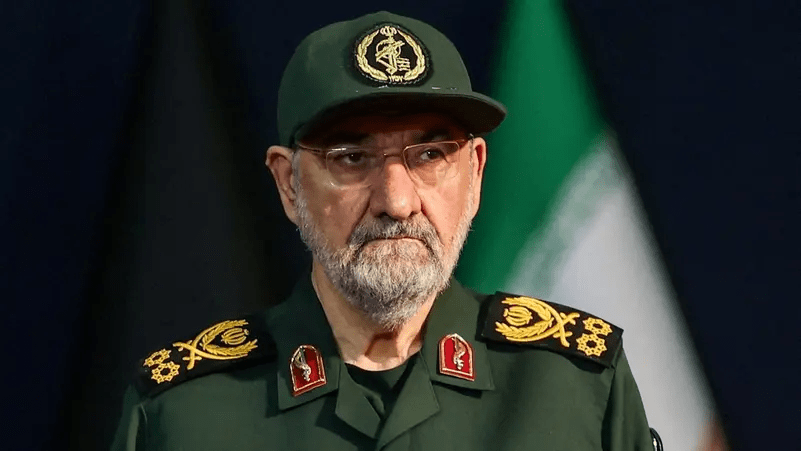
Iran expects an agreement to establish a new shipping corridor through the Strait of Hormuz to be signed within the coming days, but Tehran will not guarantee a full reopening of the strategic waterway unless the United States ends what it describes as attacks and hostile actions, Iran’s top security official said Sunday.
Mohsen Rezaei, secretary of Iran’s Supreme National Security Council, said in remarks to state television that Tehran would oversee the movement of vessels entering and exiting the proposed corridor.
Iran and Oman have been negotiating arrangements for a temporary maritime route through the strait, with parts of the proposed corridor passing through Iranian and Omani territorial waters. The talks are part of diplomatic efforts to restore commercial shipping through a waterway that handled around one-fifth of global oil and liquefied natural gas shipments before the war began in February.
Rezaei said Iran would only guarantee the continued opening of the Strait of Hormuz if Washington refrains from attacks and what he called acts of sabotage.
He also identified the lack of security guarantees as the main obstacle to implementing a U.S.-Iran memorandum of understanding signed in June. The agreement was intended to end the war and establish a framework for broader negotiations, but later broke down amid disagreements over its implementation.
Under the proposed arrangement, Washington was expected to lift its naval blockade of Iran, while Tehran would facilitate the safe passage of commercial vessels through the Strait of Hormuz.
Despite the ongoing talks over the new shipping corridor, Rezaei insisted that the strait remains “completely closed.”
He said only around seven or eight vessels were currently passing through the waterway each day, including five or six ships carrying essential goods to Iran.
Rezaei further claimed that U.S. forces occasionally facilitate the passage of several vessels through waters near Oman, but said those ships were often targeted and did not pass through the area safely. He argued that such movements should not be considered a reopening of the strait.
Shipping through the Strait of Hormuz has been severely disrupted since the outbreak of the war, with Tehran and Washington offering conflicting accounts of the extent to which maritime traffic remains possible.
Iran Threatens New Restricted Maritime Zone
Rezaei also said Iran would soon announce a restricted maritime zone around the Strait of Hormuz, warning that vessels entering the area could be placed on an Iranian sanctions list and subsequently prevented from transiting the strait without Tehran’s approval.
He said Iran was tightening restrictions on maritime traffic and claimed that the economic impact of Tehran’s measures could ultimately exceed the consequences of its missile attacks.
Iran Claims Missile Test Against U.S. Naval Vessel
On the military front, Rezaei said Iran had, for the first time, tested a domestically produced missile launched from a destroyer against a U.S. naval vessel approximately 48 hours earlier.
His remarks came amid renewed maritime tensions between the two countries. The U.S. Central Command said Saturday that American forces had struck three Iranian crude oil tankers after Iran’s Islamic Revolutionary Guard Corps launched ballistic missiles toward two U.S. Navy warships.
Rezaei also sought to downplay the economic consequences of the confrontation, saying Iran has sufficient reserves of food and other essential commodities and continues to sell oil and receive payments for its exports.
His comments come as a U.S. naval blockade targeting vessels entering and leaving Iranian ports has significantly reduced Iran’s oil exports, a crucial source of government revenue and foreign currency.


