
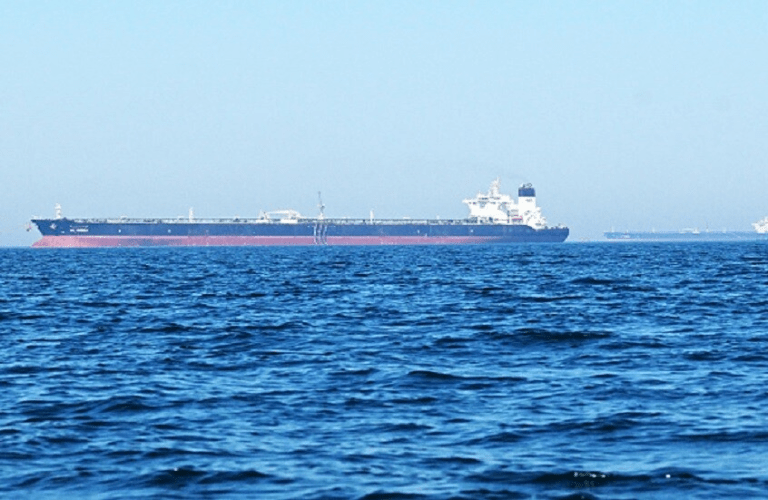
U.S. sources said American forces targeted two oil tankers owned by the Iranian government during a wave of strikes against targets in Iran, marking a new escalation in the confrontation surrounding the Strait of Hormuz.
According to a report by Axios, U.S. officials said the two tankers were targeted as part of the broad wave of U.S. strikes carried out inside Iran on Tuesday, which hit around 100 military targets.
A U.S. official said President Donald Trump approved the new policy to deter Tehran from targeting oil tankers and commercial vessels transiting the Strait of Hormuz.
Under the policy, officials said the United States would target an Iranian oil tanker for every vessel attacked by Iran.
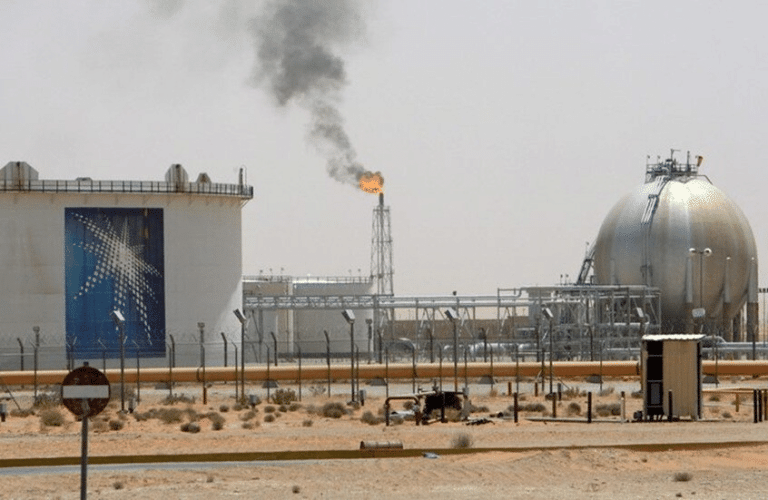
The developments came after two giant tankers carrying Saudi oil were attacked by unidentified projectiles while transiting the Strait of Hormuz, raising concerns over the safety of shipping and global energy supplies.
Nearly 100 Targets Hit in U.S. Strikes
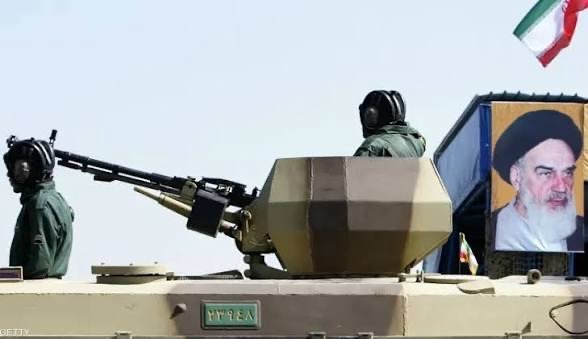
U.S. officials said the latest operation involved approximately 100 targets, including air-defense systems, radar installations, maritime mine-laying capabilities and communications facilities, as well as launch platforms for anti-ship cruise missiles and attack drones operated by Iran’s Islamic Revolutionary Guard Corps (IRGC).
U.S. Central Command had officially confirmed a new wave of strikes against Iranian military targets, including air defenses, radar systems, naval facilities and assets, mine-laying capabilities and communications sites. CENTCOM said the operation followed recent Iranian attempts to target commercial vessels and U.S. personnel.
How Were the Iranian Tankers Targeted?
According to a U.S. official, the two tankers were anchored off the Iranian coast, north of the U.S. naval blockade line, when they were targeted by drones that launched missiles striking their engine rooms.
The development represents a more direct escalation in the maritime confrontation, as Washington had previously focused primarily on preventing threats to shipping and targeting Iranian military capabilities linked to the Strait of Hormuz.
Iran Responds With Missiles and Drones
Following the U.S. strikes, Iran launched ballistic missiles and drones toward U.S. positions and military bases across the region.
The U.S. account indicated that approximately 25 ballistic missiles were launched. Jordanian authorities said Iranian missiles were intercepted, while others fell in remote areas without causing casualties. U.S. positions in Bahrain and Kuwait also came under drone attacks, while two drones targeted a U.S. base in Erbil.
Most of the drones were reportedly intercepted as tensions between Washington and Tehran continued to escalate across multiple fronts in the region.
Washington Says Shipping Threat Could Be Reduced for at Least a Month
The U.S. administration said the latest strikes were also aimed at weakening Iran’s ability to rebuild radar and missile systems that could be used to threaten vessels in the Strait of Hormuz.
According to a U.S. official, the operation reduced the threat level facing commercial shipping in the strait for at least one month, while U.S. forces continued escorting commercial vessels through the waterway.
The same official said around 40 vessels carrying millions of barrels of oil crossed the strait, while U.S. forces intercepted a number of anti-ship missiles and drones launched by Iran toward shipping.
Reports of Civilian Casualties as Iran Accuses Washington
The military escalation coincided with Iranian reports of civilian deaths and injuries following a U.S. airstrike on a home during a wedding ceremony in the southern Iranian area of Kuhestak.
Accounts of the incident remain disputed. U.S. Central Command said its forces do not target civilians, while Iranian media reported casualties from the strike. International reports have also cited civilian deaths and injuries, although questions remain over the precise circumstances surrounding the attack.
The escalation comes as the United States continues to expand its military operations in the region, with more than 50,000 U.S. service members stationed across the Middle East, according to CENTCOM.
The Strait of Hormuz remains at the center of the confrontation because it is one of the world’s most important oil-shipping routes. Continued attacks and military strikes could further disrupt energy markets while increasing shipping and insurance costs across the region.