

The estimated cost of the US war against Iran has climbed to approximately $47 billion as of mid-October, an increase of more than $3 billion compared with previous estimates, according to a report by The Hill citing data from US Central Command (CENTCOM) submitted to Congress.
According to estimates dated October 16, replacing expended ammunition accounted for the largest share of spending, at approximately $29 billion. The cost of replacing lost military equipment was estimated at around $6.1 billion.
An additional $12 billion was allocated to cover operational expenses, while support for deployed forces—including air transport, military bases, communications and logistics—was estimated at $7.6 billion.
These figures do not include the cost of repairing damage to US military bases in the Middle East, meaning the overall financial burden could rise further once those expenses are included.
Spending Rises Compared with Previous Estimates
The latest figures update earlier estimates released by the US Department of Defense in early September, which put the cost of the war at approximately $43.6 billion.
Meanwhile, estimates by Moody’s Analytics suggest that the conflict has cost the average American household around $2,000 so far.
New Military Options Amid Continuing Tensions
Alongside the submission of the financial report to Congress, CENTCOM prepared options for additional strikes against Iran, pending approval from the White House, according to The Hill.
The United States and Israel launched the war against Iran on February 28. The conflict has since continued amid attempts to reach understandings to halt the fighting and disagreements over navigation through the Strait of Hormuz.
The US administration later intensified economic pressure through sanctions and measures related to a naval blockade, while keeping the possibility of renewed military operations on the table.
Speaking at an election rally in Texas, US President Donald Trump said the United States was “making a fortune because of the situation” in the Middle East, adding that he expected the war against Iran to end “very soon.”
Diplomatic Efforts to Reduce Escalation
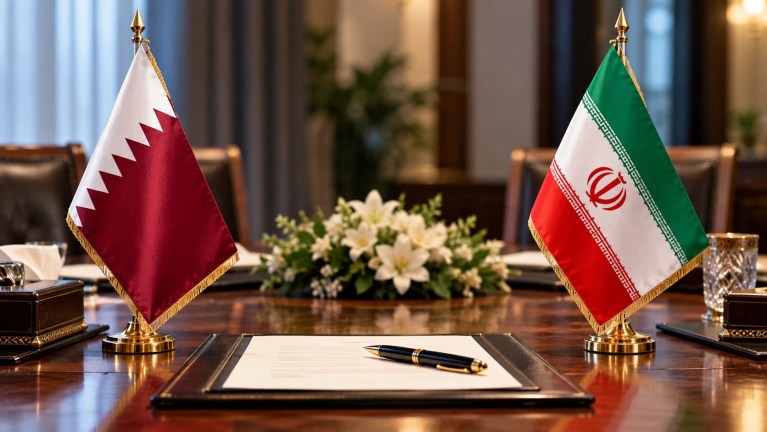
Meanwhile, diplomatic efforts to prevent a renewed escalation of the military confrontation are continuing. On October 26, Tehran hosted talks with senior officials from Saudi Arabia, Pakistan and Turkey aimed at reducing tensions and opening channels for negotiations.