

A senior Saudi diplomat has accused Iran of backing and encouraging an escalation in Houthi attacks against Saudi Arabia, saying the actions violate United Nations Security Council resolutions and the 2023 agreement between Riyadh and Tehran brokered by China.
Saudi Deputy Minister for Public Diplomacy Rayed Krimly said Riyadh believes Iran is encouraging the Houthis to intensify their attacks at this stage of the conflict. He accused Tehran of continuing to arm, train and support the group in violation of international resolutions and its commitments under the Beijing agreement.
Krimly also revealed that the Houthis had rejected a Saudi proposal to hold talks in Oman in July to address outstanding disputes and de-escalate the conflict in Yemen.
Saudi Official Points to Russian and Chinese Support
The Saudi diplomat said Iran and the Houthis had benefited from capabilities and intelligence provided by entities in Russia and China, adding that some assistance may have originated from commercial companies rather than government bodies.
He said Saudi Arabia regularly discusses these concerns with Moscow and Beijing and intends to continue doing so.
Despite the accusations against Tehran, Krimly stressed that Riyadh remains open to dialogue with Iran and maintains direct communication channels with Iranian officials.
He also clarified that Oman facilitates talks between Saudi Arabia and the Houthis but does not act as a mediator. Saudi Arabia, he added, continues to coordinate directly with fellow Gulf Cooperation Council members, including the United Arab Emirates.
Saudi Arabia Supports Mediation in US-Iran Conflict
Addressing efforts to end the war between the United States and Iran, Krimly said Saudi Arabia supports mediation initiatives led by Pakistan and Qatar, but warned that two major obstacles remain.
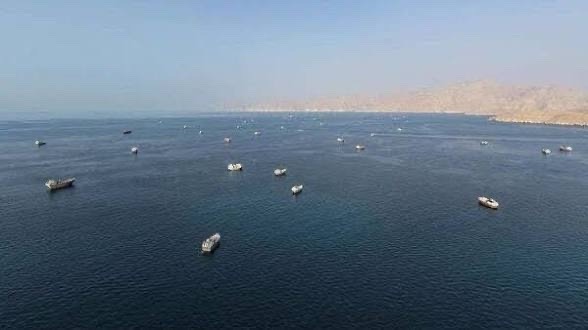
The first is securing safe passage for commercial shipping through the Strait of Hormuz in exchange for Washington lifting its naval blockade on Iran. The second concerns establishing a clearer framework and scope for future negotiations over Iran’s nuclear program.
Krimly accused Tehran of prolonging negotiations and failing to offer sufficient concessions, saying Iranian proposals have been inadequate to move the process forward.
He also suggested that internal disagreements within Iran were complicating diplomatic efforts and preventing consensus on solutions that could pave the way for a peaceful settlement.