

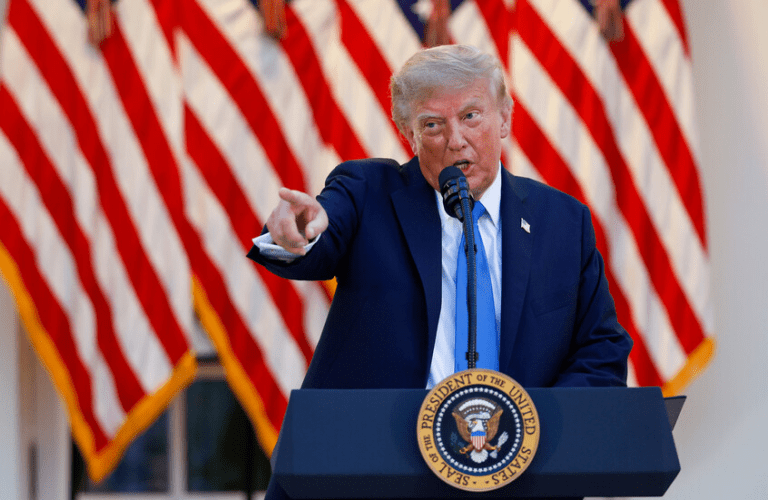
U.S. President Donald Trump has called for Canada to become a U.S. state, arguing that such a move would help save the Canadian automotive industry amid escalating trade tensions between Washington and Ottawa and the imposition of retaliatory tariffs by both countries.
In a radio interview, Trump said Canada had “taken advantage of us for years,” describing relations with Ottawa as one of the most difficult issues facing the United States.
“Canada should become a state. If it were a state, there would be no problems,” Trump said, adding that he would have allowed Canadian automakers to continue operating while linking the industry’s current difficulties to tariffs imposed by Washington.
Trump Pressures Canadian Companies
At the end of August, Trump called on Canadian companies operating in the United States to move their operations entirely to American soil to avoid being subject to tariffs.
The U.S. president has also repeatedly floated the idea of Canada joining the United States, despite continued opposition to the proposal in Canada.
Trade War Escalates Between Washington and Ottawa
Trade tensions between the two countries intensified after Ottawa rejected a bilateral trade agreement that Washington considered favorable. The United States subsequently imposed 50% tariffs on certain categories of Canadian goods on August 22.
Canadian Prime Minister Mark Carney responded by suspending trade negotiations with Washington and announcing retaliatory tariffs on U.S. products, saying a “trade war” had begun between the two countries.
Trump later announced that, starting January 1, 2027, the United States plans to impose 50% tariffs on Canadian cars, auto parts and Canadian steel. Meanwhile, Canada’s retaliatory tariffs on U.S. products came into effect on September 8.
Disputes Dating Back to 2025
Trade relations between the United States and Canada have been increasingly strained since 2025, amid repeated criticism from Trump over the bilateral trade balance.
The U.S. president has argued that the existing trade system has harmed American interests, claiming that Canada’s federal and provincial government procurement markets have been largely closed to U.S. companies, while Canadian firms have enjoyed broader access to comparable contracts in the United States.