


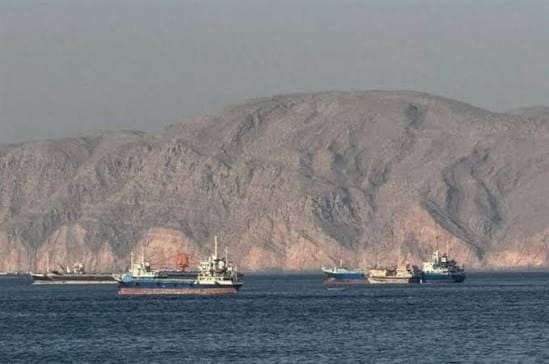
Shipping traffic through the Strait of Hormuz fell sharply on Monday, as uncertainty over a potential peace agreement between the United States and Iran continued to weigh on maritime activity.
According to shipping data from Kpler, only six vessels transited the strategic waterway on Monday, compared with a 10-day average of around 11 vessels.
As of 0420 GMT on Tuesday, four commodity vessels had entered the strait, including two empty oil-product tankers. Two other vessels exited the waterway: a small tanker carrying liquefied petroleum gas and another transporting residual fuel.
The decline remains significant compared with normal traffic levels. Before the war, around 130 to 140 vessels typically passed through the Strait of Hormuz each day, making it one of the world’s most important maritime energy corridors.
Bab al-Mandeb Traffic Remains Relatively Stable
Meanwhile, shipping activity through the Bab al-Mandeb Strait in the Red Sea remained broadly stable.
Kpler data showed that 25 vessels passed through the waterway on Monday, compared with a 10-day average of nearly 24 ships.
The figures come amid renewed uncertainty over negotiations between Washington and Tehran. US President Donald Trump on Monday responded to Iranian conditions for a potential peace agreement by demanding that Iran provide compensation for people killed in wars, attacks and protests.
Iran has called for compensation for damage caused by the war, as well as an end to US sanctions, as part of its conditions for a potential agreement.
The Iranian demands broadly reflect provisions included in a preliminary peace agreement reached in June, which has since collapsed.
Since the conflict began in February, Trump has repeatedly alternated between warnings of further escalation and statements suggesting that a peace agreement could be reached.
The latest decline in shipping through the Strait of Hormuz highlights the continued uncertainty surrounding one of the world’s most critical energy routes, particularly as negotiations between the United States and Iran remain unresolved.


