


Oman has rejected an Iranian proposal to participate in collecting fees from ships transiting the Strait of Hormuz, in a move aimed at avoiding a potential confrontation with the administration of US President Donald Trump, according to a report by the New York Post citing a senior regional official.
The official said Muscat quietly turned down the Iranian request and also rejected the idea of imposing even voluntary fees in exchange for security or environmental services related to maritime traffic through the strait. The position appears to conflict with an earlier statement by Iran’s Islamic Revolutionary Guard Corps regarding voluntary contributions to cover environmental protection and maritime security costs.
Proposed Revenue-Sharing Agreement Remained Incomplete
The newspaper also quoted a US official as saying that Tehran had not yet finalized the terms of the proposed revenue-sharing arrangement, suggesting that the Iranian Revolutionary Guard may have announced the initiative before all of its details had been settled.
Oman’s decision comes amid previous threats by Trump over any attempt to impose charges on vessels using the strait. The US president had warned of a harsh military response if Muscat took steps in that direction.
Trump said on August 17 that he would bomb Oman “very severely” if it stood in the way of Washington’s objectives regarding the strategic waterway.
US Blockade Undermines Viability of Transit Fees
The US maritime blockade imposed on Iran could make any system for collecting fees from ships passing through the Strait of Hormuz difficult to implement without American approval, particularly given the US role in protecting maritime traffic during the current crisis.
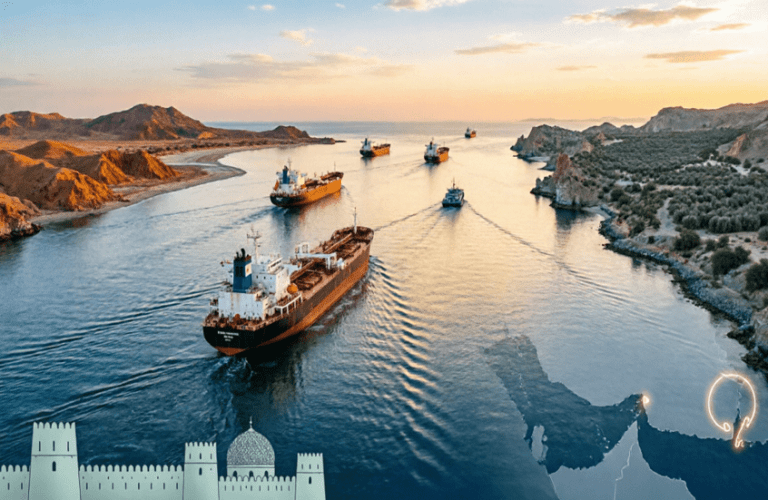
The Strait of Hormuz is one of the world’s most important routes for transporting oil and natural gas, making any changes to shipping arrangements or the introduction of transit fees a matter of significant international concern.
Oman Balances Ties With Washington and Mediation With Tehran
Despite its close relationship with the United States, Oman has maintained its role as a regional mediator between Washington and Tehran and has sought to contain tensions by hosting nuclear talks between the two sides.
Muscat has also previously played a role in mediating the release of Americans detained by Iran-backed Houthi forces in Yemen. In May 2025, Oman helped broker a ceasefire agreement between the United States and the Houthis, which remains in effect.
Iran Seeks Greater Influence Over Strait of Hormuz
According to the report, Iran sought to pressure Oman, which overlooks the southern side of the Strait of Hormuz, to approve a post-war framework that would give Tehran greater influence over one of the world’s most important oil and gas shipping routes.
Oman’s rejection reflects Muscat’s effort to preserve its mediating role and avoid becoming involved in arrangements that could trigger a direct confrontation with the United States or further escalate tensions around the Strait of Hormuz.


