
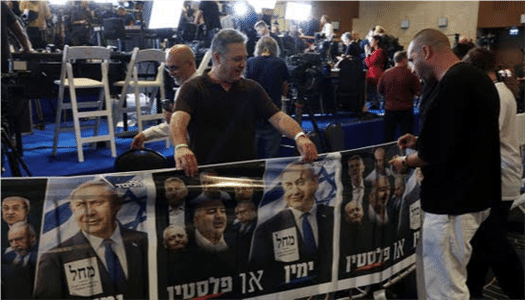
Israeli electoral authorities on Wednesday rejected allegations of election fraud promoted by Prime Minister Benjamin Netanyahu against Arab parties, which could play a decisive role in removing him from power following a deeply divisive election.
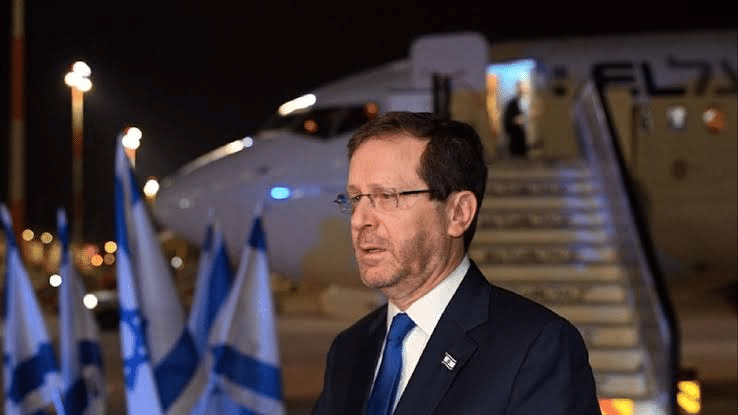
President Isaac Herzog is scheduled to formally receive the results of the October 27 election at noon, as he considers whether to give Netanyahu or his rival, Gadi Eisenkot, the first opportunity to form a government. Neither candidate currently commands enough parliamentary seats to secure a majority on his own.
The Central Elections Committee said it had audited 9,069 polling stations following complaints and was confident that the announced results accurately reflected the will of voters.
“All complaints submitted by political factions have been reviewed, and there were no findings indicating harm to the integrity of the election,” the committee said in a statement.
Netanyahu has repeatedly alleged fraud involving Arab-majority parties, citing the arrests of several individuals found carrying envelopes of cash on election day. He later claimed that lawmakers had received money from Qatar, allegations similar to accusations previously directed at members of his own circle.
Late Tuesday, Israeli Attorney General Gali Baharav-Miara said she would not question anyone without evidence, following reports that the head of the Shin Bet domestic security service, a Netanyahu ally, had requested interrogations involving Arab parties.
Netanyahu’s Likud party criticized the attorney general, accusing her of attempting to “obstruct the investigation and cover up this serious case of manipulation of the electoral process by foreign actors.”
Eisenkot, a former military chief seeking to unite centrist and center-right forces and end Netanyahu’s long and divisive political era, accused Likud of attempting a “pogrom against democracy.”
He had earlier warned Netanyahu against launching another war against Iran alongside his close ally, US President Donald Trump, arguing that such a move could help the Israeli prime minister push for a unity government or delay the political process until new elections.
No Unity Government Under Netanyahu
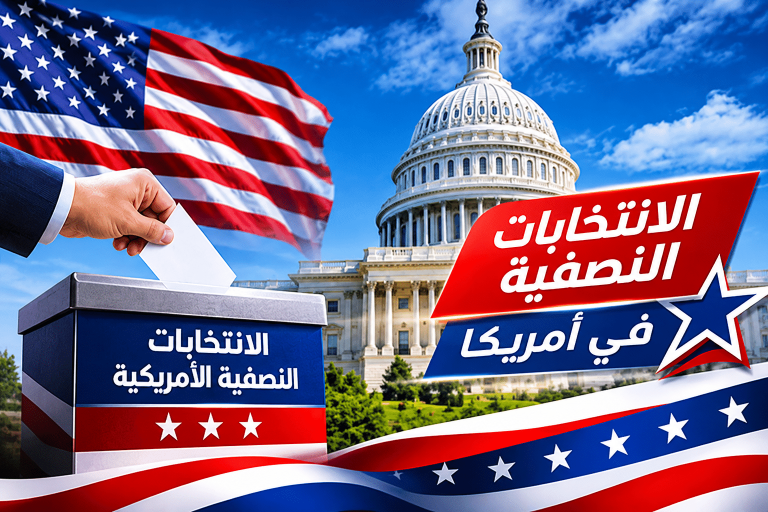
Yair Lapid, a former prime minister and a leading figure in the opposition camp, pointed to the US midterm elections, in which Democrats secured a major victory over Trump’s Republicans.
Lapid said the Shin Bet’s “outbursts,” combined with the US election results, “eliminate any possibility of a unity government led by Netanyahu.”
Netanyahu, Israel’s longest-serving prime minister, who has held office intermittently for nearly two decades, has called for a “broad national government” under his leadership.
Herzog’s statements have fueled speculation that he may consult political leaders about the possibility of forming a national unity government, in an effort to restore stability in a country deeply divided after three years of war and disputes over Netanyahu’s hard-right policies.
Although the Israeli presidency is largely ceremonial, Herzog holds the decisive authority to determine who receives the first opportunity to form a government. The process could take weeks or even months and may ultimately fail, leading to another election.
After formally receiving the results, Herzog will begin two days of consultations with political parties, starting with the smaller factions.
Neither Netanyahu nor Eisenkot currently has the 61 seats required for a majority in the 120-member Knesset.
Netanyahu’s bloc holds 53 seats, compared with 48 for Eisenkot’s camp.
Eisenkot could reach the required majority by joining forces with parties representing Israel’s Arab minority, whose combined representation rose to 19 seats amid anger over the policies and rhetoric of Netanyahu’s government.
However, some opposition figures have expressed reservations about relying on Arab lawmakers to form a government.
Herzog Calls for “Fresh Thinking”
Herzog, a moderate lawyer whose political career began in the now-defunct left-wing Labor Party before he became officially nonpartisan, has said he wants to encourage “fresh thinking” and prevent another election.
Once Herzog appoints a candidate, that individual will have 28 days to form a government, with the possibility of a 14-day extension.
If the candidate fails, Herzog can give the mandate to another political figure. Should that attempt also fail, a majority of lawmakers may nominate an alternative candidate within 21 days. Otherwise, Israel will head to another election.
Following the November 2022 election, Netanyahu took 58 days to form a government, despite Likud’s stronger electoral performance at the time.
Israel held five elections between 2019 and 2022 after repeated political deadlocks.
Netanyahu also faces corruption charges and the possibility of imprisonment if he loses power and the immunity associated with his position.
Yousef Jabareen, head of the largest Arab-majority party in the next parliament, told AFP this week that the opposition must accept the “political reality” and work together to remove Netanyahu from power.
Netanyahu has repeatedly warned Jewish Israelis that the opposition could cooperate with Arab parties, which he accuses of supporting Hamas.
Leaders of Arab Israeli parties have unanimously condemned Hamas’s October 7, 2023 attack, although they have not described the Palestinian armed movement as a terrorist organization.