
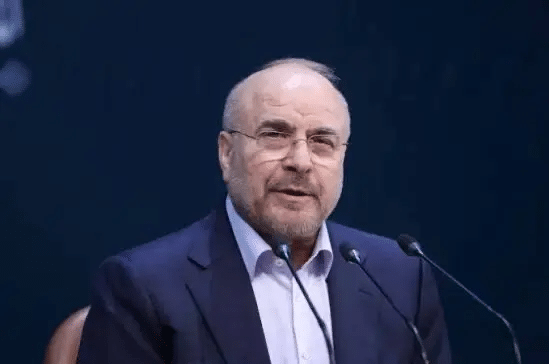
Iran’s chief negotiator in talks with the United States, Mohammad Bagher Ghalibaf, said Wednesday that American voters had rejected the war with Iran after Democrats dealt President Donald Trump’s Republican Party a major defeat in the midterm elections.
“Whether driven by conscience or the cost of living, Americans said NO TO WAR, and we fully endorse this message,” Ghalibaf, who also serves as Iran’s parliament speaker, wrote in a post on X.
He also warned Washington against ignoring what he described as the American public’s opposition to the conflict.
“If the US government betrays the will of its people to serve international paymasters and blackmailers, it will learn that our NO comes with a nightmare,” Ghalibaf added.
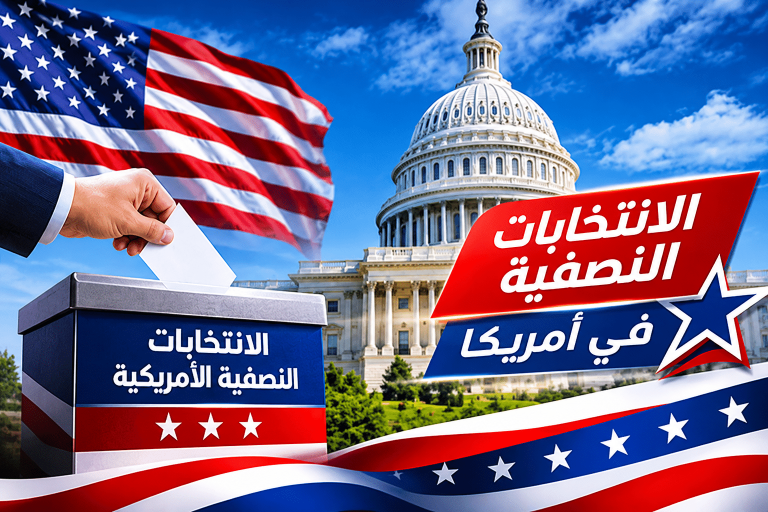
His comments came after Democrats secured control of the Senate and made significant gains in the House of Representatives, dealing a major setback to Trump’s domestic agenda with two years remaining in his presidency.
The elections were widely viewed as a referendum on Trump’s second term, with concerns over the rising cost of living, higher fuel prices and the prolonged war with Iran weighing on Republican candidates.
Iran War Fuels Energy Price Concerns
The conflict began with US-Israeli strikes on Iran on February 28 and has disrupted global energy markets, driving up fuel costs partly because of restrictions on shipping through the Strait of Hormuz, a strategic waterway vital to global oil supplies.
Trump acknowledged late Tuesday that the war had contributed to his party’s electoral losses, although he defended his decision to launch the military campaign.
“I think a part of it was Iran, but at the same time, people understood the importance of what I’ve done with Iran,” Trump told Fox News in a telephone interview.
The president also offered rare praise for his Democratic opponents, saying they had done a “good job” and “fought hard.”
Diplomatic Efforts Continue Amid Disagreements
Ghalibaf’s remarks came amid renewed diplomatic efforts to end the conflict, with Qatar mediating indirect negotiations between Washington and Tehran.
However, the two sides remain divided over the terms of a potential agreement, including arrangements for reopening the Strait of Hormuz and lifting the US blockade on Iranian oil exports.