

By: Howaida Awad Ahmed
A Conflict That Extends Beyond Military Confrontation
The confrontation unfolding in the Middle East is no longer merely a military conflict between the United States and Iran, or a regional dispute between the Kingdom of Saudi Arabia and the Houthi movement in Yemen. It has become a broader test of the future of the region’s security order, the balance of deterrence and alliances, and the position of the Arabian Gulf in the calculations of international powers.
As the conflict expands, risks to critical infrastructure and maritime corridors increase, and the US–Iran confrontation becomes increasingly intertwined with the Yemeni front, regional states face an exceptionally complex equation: how can they safeguard their security, sovereignty, and economic interests without becoming embroiled in a prolonged regional war that drains their resources and opens the door to further instability?
This challenge has become particularly significant as Saudi Arabia moves to strengthen its defense partnerships, amid the emergence of what has been described as the Mecca Alliance, involving Saudi Arabia, Pakistan, and Türkiye. These developments are taking place alongside clear Egyptian efforts to support the Kingdom’s security, while diplomatic mediation and communication with Tehran continue.
Understanding these developments requires moving beyond the examination of isolated events toward an analysis of the strategic interests driving the parties involved, the risks confronting the Gulf and Egypt, and the possible trajectories of the crisis.
First: The Current Situation — From a Limited Conflict to a Regional Security Crisis
As of October 29, 2026, reports published in recent days suggest that the crisis has entered an exceptionally sensitive phase. Reports have referred to US threats to resume strikes against Iran, alongside continued tensions surrounding the Strait of Hormuz and an escalation of the confrontation between Saudi Arabia and the Houthis.
On October 26, officials from Saudi Arabia, Pakistan, and Türkiye held talks with Iranian officials in Tehran in an effort to contain the escalation and open channels for negotiations. These contacts took place amid renewed Houthi attacks against the Kingdom, revealing an important strategic paradox: military threats are expanding even as diplomatic efforts to find a political settlement continue.
This coincidence does not necessarily mean that the war is destined to expand, nor does it indicate that negotiations are necessarily close to producing a final settlement. Rather, it reflects a regional recognition that continued escalation could impose costs that would be difficult to contain, particularly if energy supplies were disrupted, maritime traffic interrupted, or attacks extended to civilian infrastructure.
The danger of the current phase lies in the fact that several interconnected fronts are now developing simultaneously: the US–Iran confrontation, the Yemeni front, Red Sea security, Gulf security, and competition over regional deterrence arrangements.
Second: Iran and the United States — A Struggle Over Deterrence, Influence, and the Future of Negotiations
The confrontation between Washington and Tehran cannot be understood through military power alone. Each side seeks to improve its negotiating position, protect its strategic interests, and prevent the other from imposing its preferred terms on the future of the region.
For the United States, the Iranian issue is linked to the security of its allies, the protection of international maritime routes, and the containment of threats targeting American forces, facilities, and interests. It is also connected to Iran’s nuclear program and the regional balance of power.
Iran, meanwhile, seeks to protect its political system and national assets, ease economic and military pressure, preserve a degree of regional influence, and resist arrangements it considers detrimental to its sovereignty or deterrent capabilities.
The core of the conflict, therefore, is not limited to the scale of military strikes exchanged. It extends to a more fundamental question: which side can withstand the costs of confrontation for longer, and which can translate military pressure into sustainable political gains?
The American strategic dilemma is that military superiority alone does not guarantee a stable political settlement. Strikes may weaken certain capabilities, but they may also provoke retaliatory responses or widen the conflict through regional actors.
Iran faces a parallel dilemma. Although the use of regional pressure mechanisms may increase the cost of war for its adversaries, it may also strengthen opposing alliances and deepen Iran’s economic and political isolation.
Consequently, continued warfare does not necessarily represent a strategic gain for either side. Escalation that fails to produce a clear settlement may turn military superiority into a prolonged war of attrition and leave regional security increasingly fragile.
Third: Saudi Arabia and the Houthis — Protecting Sovereignty, Critical Infrastructure, and Maritime Corridors
The Yemeni front represents one of the most dangerous channels through which the consequences of the regional confrontation could spill over into Saudi territory.
Missile and drone attacks, along with threats targeting airports, energy facilities, and ports, present Saudi Arabia with a multidimensional challenge: protecting civilians and critical infrastructure, maintaining economic continuity, securing its borders and maritime corridors, and preventing Yemeni territory from becoming a permanent source of threats.
Reports on October 27 indicated that the Saudi-led coalition had announced the interception of three ballistic missiles and four drones launched toward areas in the eastern and southern parts of the Kingdom. These developments have occurred amid renewed confrontations with the Houthis and a deterioration in the relative stability established under the previous truce.
However, responding to this threat should not be reduced to military retaliation alone. There is a strategic difference between intercepting an attack and preventing its recurrence, just as there is a difference between temporarily weakening an adversary’s capabilities and addressing the conditions that allow the threat to persist.
Protecting the Kingdom requires an integrated system that includes strengthening air defenses, improving early-warning capabilities, securing critical infrastructure, enhancing the protection of digital infrastructure, and ensuring the continuity of energy, transportation, and communications services. These measures must be accompanied by political efforts to reduce tensions in Yemen.
It is also essential to distinguish between the Houthi movement as an armed actor and the Yemeni people, who bear a substantial share of the consequences of the war. Yemen’s stability is inseparable from Saudi Arabia’s security. A political settlement that prevents renewed attacks and creates conditions for rebuilding the Yemeni state is a fundamental component of Saudi Arabia’s long-term security.
Fourth: The Mecca Alliance — Is a New Regional Deterrence Framework Emerging?
Defense cooperation among Saudi Arabia, Pakistan, and Türkiye represents an important development in regional security thinking. It reflects a desire to broaden the range of defense partnerships and avoid excessive dependence on a single source of security.
The potential significance of this rapprochement extends beyond the symbolism of an alliance. Its value may lie in intelligence sharing, diplomatic coordination, cooperation in air defense, enhanced military readiness, and arrangements for mutual support in accordance with the commitments established by the participating states.
However, it is essential to distinguish between the existence of a defense agreement and the details of its implementation during an actual war. The extent of the parties’ commitments, the conditions under which an agreement would be activated, the nature of the assistance provided, and the mechanisms for decision-making are all matters that cannot be assumed without reference to the agreements themselves and official statements.
Regional alliances also do not operate according to identical strategic calculations. Saudi Arabia focuses on protecting its territory, critical infrastructure, and economic stability. Türkiye views regional security through a broader network of interests, while Pakistan has its own security, economic, and geographical considerations.
Accordingly, the success of the Mecca Alliance should not be measured simply by the number of participating countries. Rather, it should be assessed by its ability to translate political understandings into a coordinated and disciplined defense framework that protects member states and prevents miscalculation without becoming an instrument for expanding the war.
The talks held by Saudi Arabia, Türkiye, and Pakistan with Iran in Tehran on October 26 carry particular significance. They suggest that the parties seeking to strengthen deterrence continue to regard political engagement as an essential means of preventing a broader confrontation.
This highlights an important principle: the most sustainable form of deterrence is not merely one that raises the cost of war, but one that makes the decision to initiate hostilities less attractive while preserving a political exit that safeguards the fundamental interests of the parties involved.
Fifth: The Arabian Gulf — Between Shared Security Interests and Divergent Strategic Calculations
The Gulf states cannot be treated as a completely uniform bloc in all matters, despite sharing fundamental interests, particularly the protection of national sovereignty, the stability of energy markets, maritime security, and the continuation of economic development.
Any escalation around the Strait of Hormuz could affect energy exports, transportation and insurance costs, and fuel prices. Meanwhile, threats in the Red Sea and the Bab el-Mandeb Strait create additional risks for trade passing through the Suez Canal.
The importance of these maritime corridors lies in their connection between regional security and the global economy. Disruptions would not affect only the countries directly involved in the conflict; they would also affect energy-importing economies, supply chains, commodity prices, and inflation rates.
At the same time, Gulf states face a fundamental question about the future of their security arrangements: should they continue to rely heavily on the American military umbrella, move toward a more diversified regional security network, or combine both approaches?
There is no single answer. Some states may prefer to strengthen their defense relations with Washington while expanding communication channels with Tehran and deepening cooperation among regional countries. These options may complement or conflict with one another, depending on the nature of the crisis and the guarantees available.
According to a report published by The Guardian on October 26, Oman’s foreign minister called for a regional security framework involving the Gulf states, Iran, and Iraq, based on non-aggression and direct understanding. This proposal reflects a diplomatic approach that recognizes that Gulf security cannot be guaranteed through military means alone.
The real challenge facing the Gulf is to establish an arrangement that allows deterrence without permanent estrangement, cooperation without compromising sovereignty, and negotiations without ignoring genuine threats.
Sixth: Egypt and Saudi Arabia — From Political Solidarity to a Defense Partnership
Egypt occupies a special position in this crisis because of its historic and strategic relations with Saudi Arabia, as well as its geographical location connecting the Red Sea to the Suez Canal. Egypt also possesses considerable military and diplomatic influence in the region.
Cairo has expressed its readiness to provide the necessary support to the Kingdom and has emphasized that Saudi and Gulf security are closely linked to Egyptian national security. On October 26, the Egyptian parliament approved authorizing the president to take the necessary measures to assist Saudi Arabia in defending itself, according to a report by Reuters.
However, the published announcement did not provide definitive details regarding the nature of any mission, the size of any force, or an implementation timetable. Nor had an official Saudi request for the deployment of Egyptian forces been announced.
Egypt’s position should therefore be understood in light of three interconnected strategic considerations.
The first consideration: Protecting Egyptian national security.
Threats to Saudi Arabia or attacks on maritime corridors in the Red Sea are not distant concerns for Egypt. Prolonged disruption of maritime traffic could affect international trade, Suez Canal revenues, and transportation and energy costs.
The second consideration: Protecting the Arab strategic depth.
Saudi Arabia’s security is connected to the stability of a broader network of Arab relations. A major security vacuum could create opportunities for the escalation of proxy conflicts and increase pressure on countries throughout the region.
The third consideration: Preserving Egypt’s freedom of strategic decision-making.
Military support does not necessarily mean involvement in an open-ended war. Egypt can combine efforts to protect Saudi territory with defense cooperation, political mediation, and initiatives to safeguard freedom of navigation, while clearly defining its objectives, limits, and costs.
From this perspective, the most effective Egyptian role could be based on a combination of defensive deterrence and active diplomacy. This could include supporting the protection of Saudi critical infrastructure, sharing defense-related intelligence, coordinating maritime security efforts, facilitating communication between the parties, and contributing to arrangements designed to prevent renewed attacks.
Direct participation in combat operations, however, remains a major sovereign decision requiring a careful assessment of the risks, legal and political objectives, humanitarian implications, and potential consequences, including resource depletion and the widening of the conflict.
Egypt’s objective should not be limited to providing immediate military assistance. It should also contribute to building a stable regional security environment that protects Saudi Arabia, Egypt, and the other Gulf states from recurring cycles of escalation.
Seventh: Major Strategic Risks
The potential risks can be divided into five interconnected categories.
1. The risk of a wider war
A new American strike against Iran, or a major attack on Saudi Arabia or critical infrastructure, could trigger a series of retaliatory actions that would be difficult to control. This danger increases when military calculations intersect with domestic political pressures.
2. The risk of attacks on critical infrastructure
Airports, power stations, water facilities, oil and gas installations, ports, and communications networks are targets whose disruption could have far-reaching economic and social consequences. The potential damage would extend beyond direct casualties and physical destruction to include service interruptions and diminished confidence in stability.
3. The risk of disruption to international maritime traffic
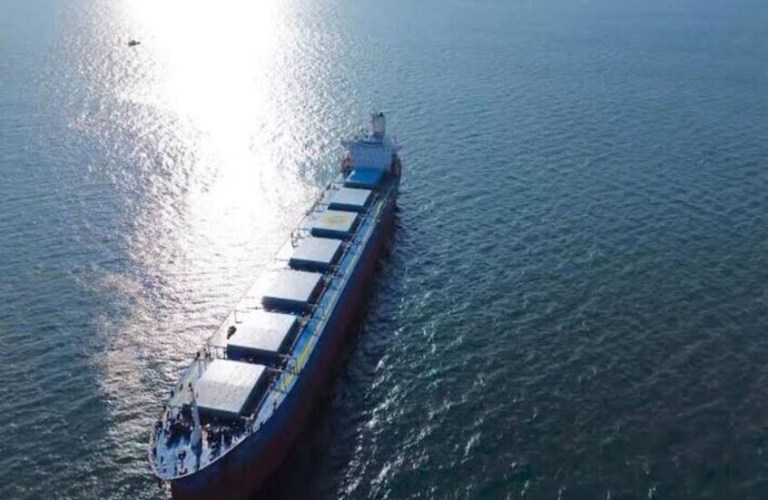
An expansion of threats in the Strait of Hormuz, the Bab el-Mandeb Strait, or the Red Sea could raise insurance and shipping costs, force vessels to change their routes, and place additional pressure on global energy supplies and trade.
4. The risk of economic attrition
Prolonged warfare requires increasing defense expenditure and may lead to higher energy, food, and transportation prices. Investment could decline, and development plans could be disrupted, particularly if uncertainty persists over an extended period.
5. The risk of political and military miscalculation
One party may interpret a defensive measure as preparation for an attack, or assume that its adversary will not retaliate against a particular strike. This makes direct communication channels, deconfliction mechanisms, and clear agreements on the protection of civilians and maritime traffic especially important.
These risks become even greater when multiple fronts turn into simultaneous theaters of conflict, making it more difficult to contain an incident because of its links to other confrontations.
Eighth: Looking Ahead — Three Possible Scenarios
It is impossible to predict the course of the war with certainty. However, three analytical scenarios can help clarify the options facing the parties involved.
Scenario One: Containing Escalation Through a Political Settlement
This scenario rests on reaching gradual understandings between Washington and Tehran, halting attacks against Saudi Arabia and the Gulf states, and establishing secure arrangements for navigation through the Strait of Hormuz and the Red Sea.
Such an arrangement could include reciprocal guarantees, mechanisms for verifying compliance, a negotiating track for Iran’s nuclear program, and understandings regarding Yemen.
Its principal advantage would be a reduction in the likelihood of an open-ended war. However, achieving this outcome would require addressing the underlying causes of the conflict rather than relying solely on a temporary ceasefire. It would also require verifiable commitments, since any settlement that fails to address the parties’ fundamental security concerns could collapse at the first new crisis.
Scenario Two: Continued Limited Confrontation and Attrition
Under this scenario, attacks, interceptions, and intermittent strikes would continue without a comprehensive agreement to end the war. Diplomatic engagement could proceed in parallel with deterrence measures.
This would require Saudi Arabia and the other Gulf states to strengthen their defensive readiness and protect critical infrastructure, while Egypt would face the challenge of supporting regional stability without assuming disproportionate or poorly calculated burdens.
Although this scenario might appear less dangerous than a full-scale regional war, it would remain costly because of its prolonged nature and the uncertainty it would impose on economic activity, maritime traffic, and investment.
Scenario Three: Escalation Into a Broader Regional War
This scenario could materialize if major attacks against civilian or economic targets were repeated, if the United States resumed large-scale strikes, or if the confrontation expanded across Yemen and the region’s maritime corridors.
Under such circumstances, energy facilities, ports, and airports could face greater risks, while regional states would come under increasing pressure to assume more direct military roles.
However, this scenario is not an inevitable consequence of current developments. Shared economic interests, multiple mediation channels, and the high costs of war could all encourage the parties to avoid it.
The value of these scenarios lies in identifying the preparations required for each possible trajectory, rather than claiming an ability to predict the future with certainty.
Ninth: What Strategy Is Needed to Protect Saudi Arabia, the Gulf, and Egypt?
An effective strategy does not require choosing between military strength and diplomacy. Instead, it requires combining both within a framework that clearly defines objectives, means, and limits.
First, air defenses, early-warning systems, and intelligence coordination should be strengthened to protect cities and critical infrastructure. Emergency plans must also be developed to ensure the continuity of essential services during crises.
Second, Saudi Arabia, Egypt, and their partners should establish clear arrangements for defense cooperation. These should define the scope of assistance, decision-making mechanisms, the distribution of responsibilities, and risk-assessment procedures, while complying with international law and protecting civilians.
Third, regional states need a permanent mechanism for consultation during crises, one that goes beyond temporary reactions, enables direct communication when incidents occur, and prevents unintended escalation.
Fourth, the security of the Red Sea and the Strait of Hormuz should be treated as a shared regional and international interest. Commercial shipping must be protected, and attacks on civilian vessels or the use of maritime corridors as instruments of political coercion must be rejected.
Fifth, military security must be linked to a political solution in Yemen. This requires supporting a settlement that guarantees the security of Saudi Arabia’s borders, prevents cross-border attacks, and creates conditions for a more stable Yemeni political process.
Sixth, economic considerations must remain central to defense planning. Diversifying supply routes, protecting energy and communications networks, strengthening cybersecurity, and preparing contingency plans for trade disruptions are all essential components of modern national security.
Finally, deterrence should serve as a means of protecting peace and stability, not as an independent objective that leads to an open-ended arms race or a confrontation without a clear political endgame.
Tenth: Is the Region Moving Toward a New Security Order?
The crisis reveals the possibility of a transformation in the structure of regional security. Cooperation among Saudi Arabia, Türkiye, and Pakistan, Egypt’s efforts to support the Kingdom, diplomatic contacts with Iran, and Oman’s proposal for an inclusive regional security framework all indicate that the future of Gulf security is becoming the subject of a broader debate that extends beyond past arrangements.
However, a new order will not emerge simply through the signing of a defense agreement or the holding of diplomatic meetings. It requires clear rules governing non-aggression, respect for sovereignty, dispute resolution, protection of international maritime corridors, and restrictions on the use of armed groups to threaten neighboring states.
It also requires recognition that the security of one state should not be built upon the insecurity of its neighbors. A sustainable balance is one that reassures states of their ability to defend themselves while preventing security concerns from becoming a permanent justification for war.
From this perspective, defense cooperation among Saudi Arabia, Egypt, Türkiye, and Pakistan could become an important element in safeguarding stability, provided that it is accompanied by a political process that allows Iran and the other countries of the region to participate in mutually agreed security arrangements without undermining states’ right to defend their territories.
Conclusion: Deterrence That Safeguards the Future
The ongoing conflict involving Iran, Saudi Arabia, and Yemen, together with the broader US–Iran tensions and threats to maritime corridors, has placed the Middle East at a decisive strategic crossroads.
Saudi Arabia needs effective protection for its sovereignty, critical infrastructure, and national interests. Egypt has a direct stake in the stability of the Gulf, the Red Sea, and the Suez Canal. Meanwhile, the Gulf states need a security framework that combines defense cooperation, diversified partnerships, and the capacity to negotiate.
The United States and Iran, for their part, face a test of whether military power and political pressure can produce a sustainable settlement rather than perpetuate cycles of confrontation.
In this context, the success of the Mecca Alliance should not be measured solely by its ability to mobilize military power, but by its capacity to prevent aggression, increase the costs of military adventurism, and open pathways toward a political solution. Likewise, Egypt’s role should not be measured solely by the scale of its military participation, but by its ability to protect Saudi and broader Arab security, safeguard Egyptian national interests, and prevent the region from becoming a theater of prolonged attrition.
The most balanced strategic vision is one that combines credible deterrence, clearly defined alliances, sustained diplomacy, and resilient economies, while maintaining a political settlement as the ultimate objective.
Power that fails to protect peace may become a burden, while diplomacy unsupported by the capacity to defend sovereignty may lose its effectiveness. Between these two extremes lies the future of the region: either a security order that manages competition and prevents war, or another cycle of confrontation whose costs will be borne by everyone.
The strategic question that should occupy policymakers today is not merely: How can we deter war? It is also: How can we build a regional order that makes the recurrence of war less likely?