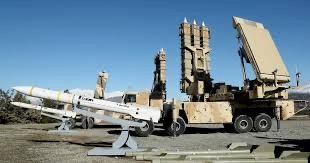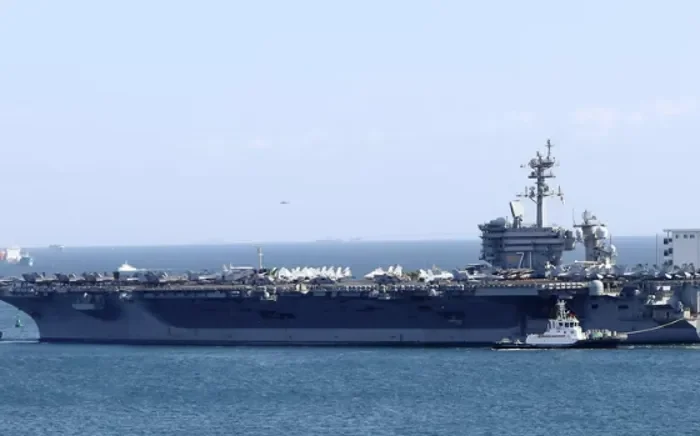

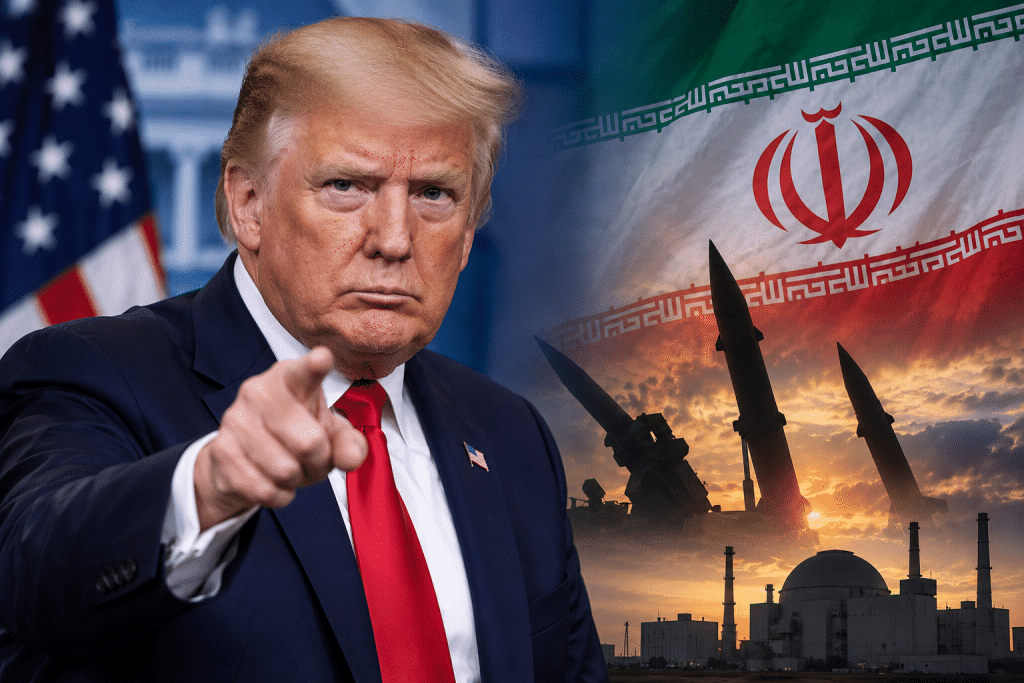
U.S. President Donald Trump is considering launching new military strikes against Iran following the congressional elections scheduled for November 3, as part of efforts to maintain economic and military pressure on Tehran amid escalating tensions between the two sides, The Atlantic reported.
The magazine cited officials on Thursday as saying that a potential operation could last several days and target missile stockpiles, drones, nuclear facilities and energy infrastructure in Iran. Trump has not made a final decision on whether to proceed, while the White House said on October 22 that an attack before the elections was off the table.
Trump previously said that “something will happen soon, one way or another.”
Military and Economic Options to Pressure Tehran
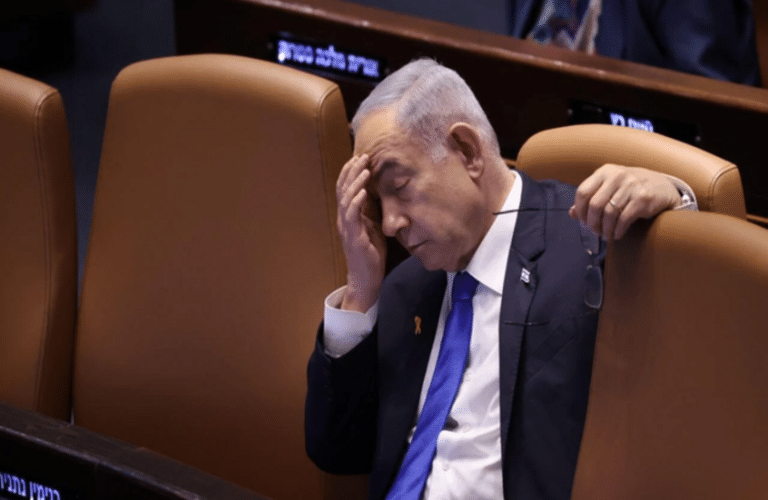
According to the report, U.S. Treasury Secretary Scott Bessent is pushing for a tighter naval blockade and tougher economic sanctions, believing Iran’s economy is approaching a critical point. Israeli Prime Minister Benjamin Netanyahu, meanwhile, has proposed resuming military strikes with the aim of toppling the Iranian regime.
The magazine reported that the U.S. administration is considering combining economic pressure with military action to force Tehran to make concessions.
On October 21, Netanyahu announced that he had instructed Israel’s military and intelligence agencies to work toward toppling Iran’s government. The Atlantic cited a U.S. official as saying Netanyahu had urged an attack before Israel’s elections. However, Netanyahu later denied a report claiming Trump had halted an Israeli strike planned earlier in the month, without disclosing details of their discussions.
Growing Pressure on Iran’s Economy
Iran is facing mounting economic pressure amid declining oil exports, rising inflation and a weakening currency. U.S. Central Command chief Admiral Brad Cooper said the blockade had prevented Iran from exporting at least $25 billion worth of oil. On October 21, the U.S. Treasury Department also imposed new sanctions on intermediaries and shipping companies.
The International Monetary Fund, meanwhile, has forecast that Iran’s economy will contract in 2026, although there is no conclusive evidence that an imminent economic collapse is underway.
These developments coincided with U.S. Defense Secretary Pete Hegseth’s visit to Israel and Washington’s evacuation of nonessential personnel and their families from Saudi Arabia amid Houthi attacks.
Reports of a possible resumption of hostilities have unsettled financial markets, pushing oil prices higher and stocks lower, while raising questions about the adequacy of U.S. ammunition stockpiles.
Tehran Vows Retaliation and Sets Conditions for Reopening the Strait of Hormuz
Iran has warned that any new attack would not go unanswered. Islamic Revolutionary Guard Corps spokesperson Hossein Mohebi discussed the possibility of targeting seven undersea communications cables in the Strait of Hormuz and deploying new weapons. On October 20, Iran’s Foreign Ministry said any response would be at least proportional to the attack.
Tehran is also maintaining a proposal to reopen the Strait of Hormuz within a week, provided Washington accepts conditions that include lifting the blockade and sanctions on Iranian oil exports.
Meanwhile, Russian President Vladimir Putin said during a meeting with U.S. envoy Steve Witkoff on October 21 that diplomatic opportunities for a settlement had not been exhausted. He expressed Moscow’s willingness to help find a solution, following Russian Foreign Minister Sergey Lavrov’s call for freedom of navigation through the strait to be restored.