


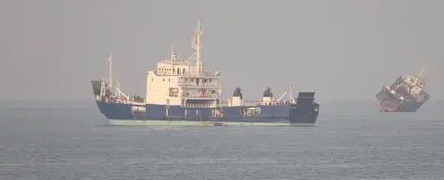
Shipping traffic through the Strait of Hormuz fell below its monthly average toward the end of the week as uncertainty intensified between the United States and Iran, with both sides making competing claims over control of the strategic waterway.
The strait is “under Iran’s control and management,” the newly appointed head of Iran’s Basij paramilitary force said on Thursday.
At the same time, the United States said it could maintain a naval blockade of Iran indefinitely and vowed to increase economic pressure on Tehran as efforts to reach a ceasefire appeared to stall.
Commodity vessel traffic through the Strait of Hormuz rose slightly on Thursday but remained below the daily average of 12 vessels recorded so far in August, according to Kpler data.
Nine commodity vessels passed through the strait on Thursday, up from five on Wednesday. The vessels included five ships entering the Gulf and four leaving toward the Gulf of Oman, with most using the Iranian side of the shipping route.
Shipping risks remained elevated. Abu Dhabi National Oil Company (ADNOC) said two of its vessels came under attack while transiting the strait on Thursday evening. No injuries were reported, while the United Arab Emirates accused Iran of being responsible for the attacks.
Traffic through the Bab al-Mandeb Strait was comparatively stable. Kpler data showed that 19 commodity vessels passed through the strategic waterway on Thursday with their transponders switched on, compared with 20 vessels the previous day.
However, the figures may not capture all maritime traffic, as some vessels operating in the key waterways may switch off their transponders. Such vessels are not included in Kpler’s reported counts.
The decline in shipping activity through the Strait of Hormuz highlights the growing concerns among operators over the security of one of the world’s most important energy corridors, as tensions between Washington and Tehran continue to threaten regional trade and global energy supplies.


