
The U.S. Treasury Department has announced a new round of sanctions targeting approximately 24 currency exchange companies and front companies, along with key individuals accused of links to Iranian financial networks. The move is part of Washington’s efforts to restrict Tehran’s ability to conduct foreign trade and circumvent U.S. sanctions.
According to the Treasury Department, the targets include companies and individuals based in the United Arab Emirates, Turkey, and Hong Kong, which are accused of facilitating financial transactions linked to Iranian trade outside traditional banking channels.
In a separate statement, the U.S. Financial Crimes Enforcement Network (FinCEN) said it had identified $14.7 billion in financial activity between January 2025 and August 2026 that may be connected to Iran’s informal banking system, based on information submitted by U.S. financial institutions.
Washington Vows to Dismantle Iranian Financial Networks
U.S. Treasury Secretary Scott Bessent said that “Iran’s economy is in crisis, and its leaders are in panic,” adding that “Iran’s shadow banking system is the last financial lifeline of a bankrupt regime.”
Bessent vowed to continue dismantling these networks, saying Washington would maintain its efforts “until we can cut off the head of the snake.”
According to the Treasury Department, the Central Bank of Iran oversees the system, which relies on dozens of exchange houses inside Iran and affiliated companies known as “rahbar” entities linked to banks. These networks manage financial operations for Iranian clients through overseas front companies.
The department said billions of dollars flow through these channels into the international financial system to support what remains of Iran’s foreign trade.
UAE and China Among Key Routes for Monitored Transfers
The latest sanctions also target Iran’s Currency and Gold Exchange Center, which Washington says coordinates foreign currency flows between exporters and importers and facilitates transactions in Russian rubles and Chinese yuan, reducing reliance on the U.S. dollar.
FinCEN’s analysis showed a decline in potential informal banking activity during the period under review, which the agency described as a possible indication that Iran’s ability to operate these channels had been partially disrupted.
Despite the decline, the report pointed to continued links among the financial networks, particularly through the UAE, Hong Kong, and Singapore, involving companies operating in the oil, shipping, and investment sectors.
The report identified approximately $2.6 billion in transfers from banks in mainland China to banks in the UAE, making this the largest financial flow route detected in the analysis.
Further U.S. Measures and Iranian Response
The latest sanctions follow measures announced by the United States on November 20, targeting individuals accused by the Treasury Department of managing Iranian oil revenues abroad.
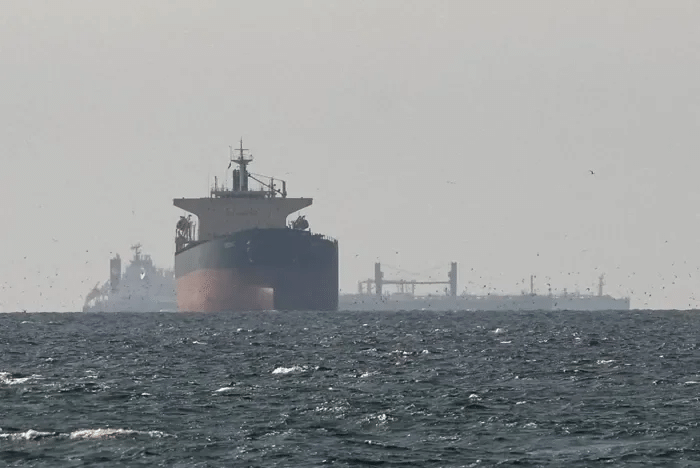
Earlier on Monday, Iranian Foreign Ministry spokesman Esmaeil Baghaei said Tehran was considering measures to respond to the U.S. naval blockade and sanctions. His remarks were not a direct response to the latest sanctions package.
The new measures come amid continued U.S. pressure on financial channels that Washington says allow Iran to manage trade transactions and foreign currency flows despite existing restrictions.