
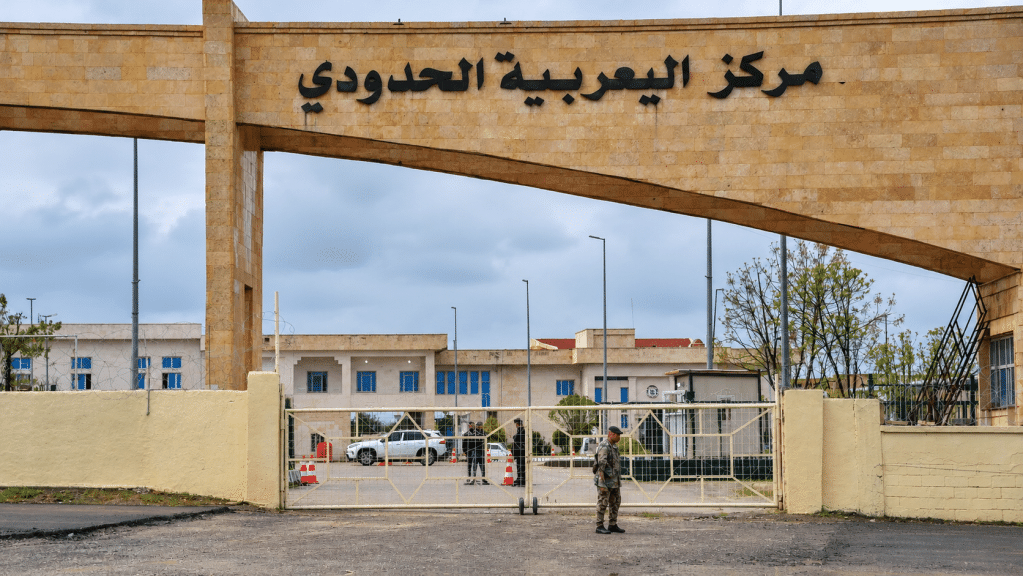
The Iraqi government has announced the start of operations to close unofficial border crossings as part of efforts to combat smuggling and strengthen control over the country’s international borders. It stressed that all those involved in wasting the country’s sovereign resources would be pursued.
Iraqi government spokesperson Haider Al-Aboudi said the closure operations and border-control measures are aimed at targeting smugglers, emphasizing that legal action would be taken against any party proven to have caused damage to national wealth.
Al-Aboudi revealed that the Federal Board of Supreme Audit had established that losses exceeding $100 billion resulted from oil exports from the Kurdistan Region outside the framework of the State Oil Marketing Organization (SOMO) between 2008 and 2025.
He stressed that exporting oil outside SOMO constitutes evasion as long as the revenues do not enter the Iraqi state treasury.
White Oil Shipment Sent to the Kurdistan Region
Separately, Iraqi Prime Minister Ali Al-Zaidi on Thursday ordered the dispatch of a shipment of “white oil” to the Kurdistan Region to meet residents’ needs during the winter season.
Official Border Crossings Continue Operating Around the Clock
Meanwhile, Director General of the Iraqi General Commission for Customs, Thamer Qasim Dawood, confirmed that the Al-Waleed crossing in Anbar Province and the Rabia crossing in Nineveh Province remain operational. Both are official border crossings operating 24 hours a day in coordination with security agencies.
Dawood explained that customs offices at both crossings continue to perform their duties around the clock, with trucks carrying goods continuing to enter and customs procedures proceeding regularly.
He noted that customs authorities and security agencies are maintaining ongoing coordination to ensure the smooth flow of trade, strengthen oversight, and prevent smuggling or violations of applicable laws and regulations.
He added that the commission continues to facilitate legitimate trade through official crossings by organizing and inspecting incoming goods and completing customs transactions, in a way that safeguards public treasury revenues and prevents disruption to the interests of traders and importers.
He emphasized that round-the-clock operations are intended to improve field performance, strengthen cooperation among security and oversight institutions, uphold the rule of law, and protect the national economy.
Clarification Regarding the Al-Waleed Crossing
The General Commission for Customs issued this clarification to avoid confusion following the announcement by the Iraqi Border Forces Command that it had closed a crossing also known as “Al-Waleed.” That crossing is unofficial and is different from the official Al-Waleed and Rabia crossings, where customs offices continue to operate.