
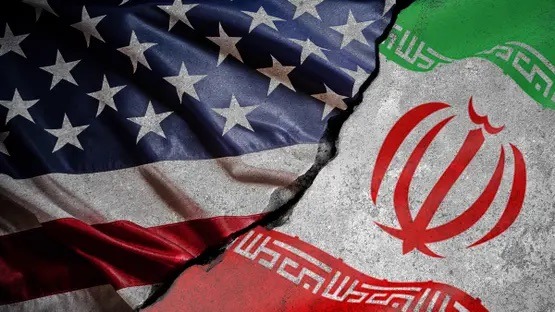
Iran attacked neighboring Kuwait on Thursday as the conflict between Tehran and Washington entered another dangerous phase, six months into the war, despite President Donald Trump warning that the United States was prepared to launch further strikes against Iran.
Trump said the US military was ready to attack Iran “any time we want” following extensive American bombardment of targets across the country that reportedly killed at least 19 Iranians.
Iran Targets US Forces Across the Middle East
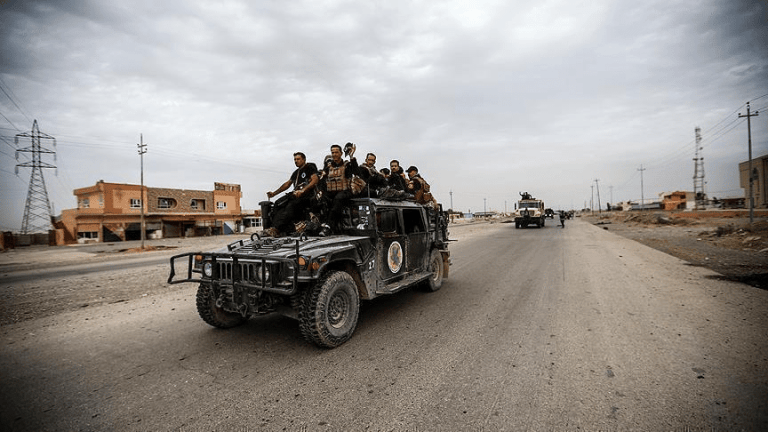
Iran retaliated by targeting US military positions across the region, including in Kuwait, Jordan, the United Arab Emirates, Bahrain and Iraq’s autonomous Kurdistan region.
Kuwait’s military said Thursday that its air defenses were intercepting missiles and drones launched from Iran, while regional tensions continued to escalate.
The latest clashes have further complicated the conflict, with Iran maintaining significant pressure on shipping through the Strait of Hormuz, a key route for global oil exports, while Washington continues efforts to enforce its counter-blockade against Iranian ports.
Iranian security official Mohsen Rezaei warned the United States that Tehran had adopted a “new strategy” in the war that, he said, “will shatter your foundations.”
New Round of Fighting Follows US Strikes
The latest escalation began Sunday when the United States launched strikes against Iranian targets, marking the first known American attacks on Iran in several weeks.
Washington said the strikes were aimed at preventing Iran from laying sea mines in the Strait of Hormuz.
Iran said the attacks caused casualties and responded by targeting American troops in Jordan and the United Arab Emirates.
Projectiles also struck two oil tankers in attacks whose perpetrators have not been established. A Saudi shipping company said one of the incidents killed two Filipino sailors.
Washington Vows Maximum Economic Pressure
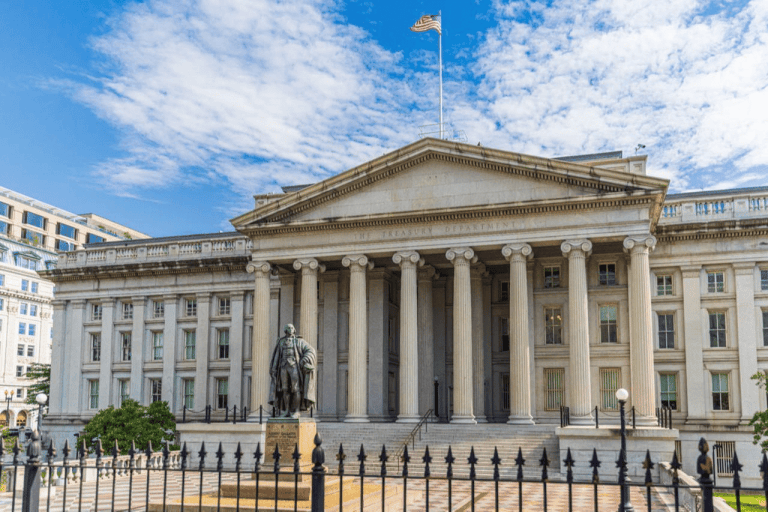
Alongside its military campaign, the Trump administration has pledged to intensify economic pressure on Iran by threatening sanctions against countries and companies that continue trading with Tehran.
US Energy Secretary Chris Wright said Wednesday that Washington’s expanded sanctions campaign targeting Iran’s economic partners would impose “absolutely maximum pressure” on the country.
Trump also floated the idea of renaming the Strait of Hormuz “Trump Strait,” after claiming that the United States now controls the strategic waterway. He later appeared to suggest that the proposal was not intended to be taken seriously.
“Now that we have it under U.S.A. control, should we change the name Hormuz Strait to TRUMP STRAIT???” Trump wrote on Truth Social.
Wedding Strike Sparks Iranian Anger
The Iranian response also followed a US attack that struck a wedding gathering in southern Iran, triggering strong condemnation from Tehran.
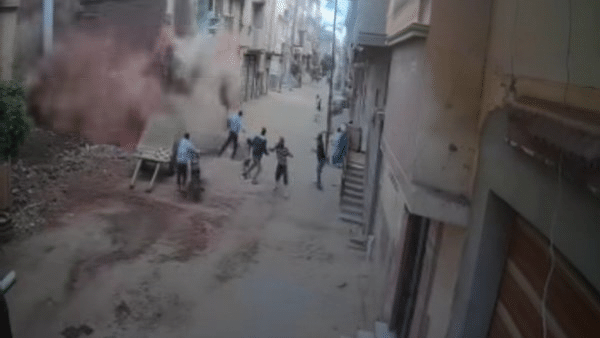
The Iranian Red Crescent said missile shrapnel in the coastal town of Kuhestak killed four people, including a child, and wounded more than 50 others.
The US military did not directly address the reported attack. However, US Central Command spokesman Tim Hawkins said the American military “never targets civilians,” contrasting US operations with those of Iran’s Islamic Revolutionary Guard Corps.
Iran’s top negotiator, Mohammad Bagher Ghalibaf, strongly criticized Washington over the incident, describing the United States as “Satan” in a post on X.
War Continues Amid Fragile Ceasefire
The conflict erupted on February 28 following US-Israeli attacks on Iran that killed its Supreme Leader Ali Khamenei.
A fragile ceasefire later broke down following attacks on commercial shipping in the Strait of Hormuz, through which roughly one-fifth of global oil supplies had previously passed.
Meanwhile, Israel’s defense minister warned that his country was prepared to respond “with great force” if Iran attacked Israel during the upcoming Jewish holiday season, which begins in mid-September.
“For now, they are striking throughout the region except us,” Israeli Defense Minister Israel Katz said at a conference hosted by Israeli media outlets.