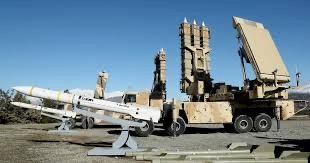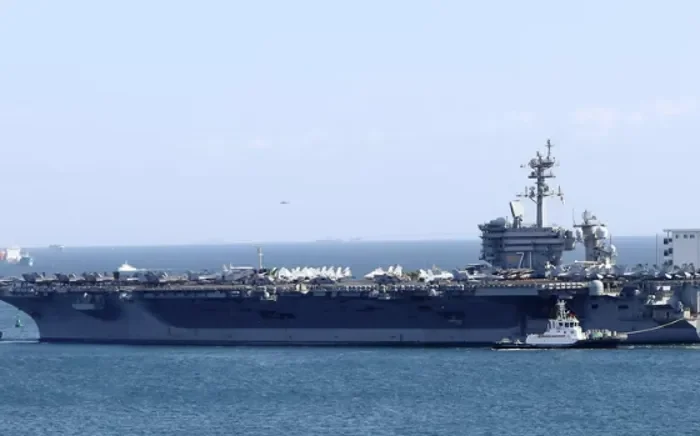

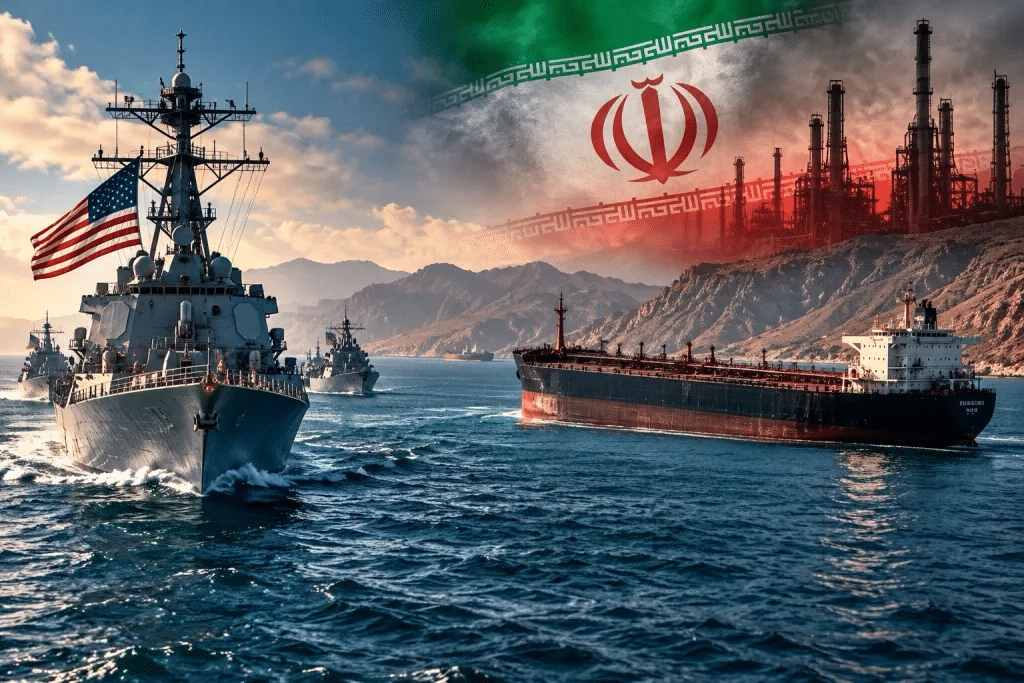
The U.S. Central Command (CENTCOM) announced Thursday that the naval blockade imposed on Iran has restricted the Islamic Revolutionary Guard Corps’ capabilities and prevented Tehran from exporting at least $25 billion worth of crude oil, as the blockade reached its 100th day since being resumed.
In a statement, CENTCOM said Iran had conducted no maritime imports or exports during this period, except for humanitarian aid shipments authorized by U.S. forces. The command said the blockade had reduced the financial resources available to the IRGC and its affiliated networks.
Washington Targets Funding Sources
CENTCOM Commander Admiral Brad Cooper said the United States had also helped freeze approximately $350 million in cryptocurrency assets linked to Iran, as part of broader efforts to limit Tehran’s ability to finance its activities, purchase weapons and rebuild damaged facilities.
Separately, media reports citing Cooper indicated that Iran-backed armed groups had begun redirecting financial resources to the IRGC amid the growing pressure on Tehran.
According to the U.S. account, the IRGC is facing difficulties paying its personnel, while some allied groups are redirecting funds to support the organization.
Decline in Crude Oil Exports
CENTCOM’s statements came amid reports of a sharp decline in Iranian oil exports. Data from energy intelligence platform Vortexa, cited in reports published on October 13, indicated that Iranian crude oil exports had fallen to zero during the month, following a decline in September as the U.S. blockade took effect.
However, a separate report published on October 16 said Iran had managed to export limited quantities of liquefied petroleum gas (LPG) and jet fuel despite the blockade, with some shipments reported since July.
Based on tanker-tracking data and maritime security sources, the report said at least eight tankers had departed carrying LPG, while another tanker transporting jet fuel arrived in Myanmar in September.
The data estimated LPG shipments at approximately 4.1 million barrels. Analysts also pointed to ship-to-ship transfers near Oman, which they said were used to obscure the routes of some shipments.
A U.S. Treasury Department official, however, questioned some of the tracking data, noting that vessels might have used misleading location information or false identities.
Moscow Criticizes Blockade and Offers Mediation
Meanwhile, Moscow criticized the U.S. naval blockade of Iran and called for freedom of navigation through the Strait of Hormuz to be restored.
Russian Foreign Ministry spokesperson Maria Zakharova said on October 8 that Russia was prepared to help seek compromise solutions that would allow normal maritime traffic to resume, while respecting international law and the interests of the parties involved.
Russian Foreign Minister Sergey Lavrov also visited Tehran on October 19, where he discussed the U.S.-Israeli war against Iran, regional security and efforts to de-escalate tensions.
Moscow reaffirmed its intention to maintain relations with countries across the region and offered to contribute to diplomatic mediation efforts.