

The Chinese military has announced its readiness to strengthen cooperation and communication with the United States following summit meetings between U.S. President Donald Trump and Chinese President Xi Jinping. The move comes amid efforts to consolidate shared understandings and manage strategic differences between the two global powers.
Chinese Defense Ministry spokesperson Chen Xi said on Saturday that the Chinese military was prepared to work with its U.S. counterpart to implement the agreements reached by the two countries’ presidents, strengthen dialogue and cooperation, and manage differences in ways that support stable and sustained military relations, according to a statement issued by China’s Ministry of National Defense.
Joint Mechanisms to Prevent Military Crises
The Chinese spokesperson stressed the importance of presidential diplomacy in guiding military relations between the two countries, emphasizing the need to strengthen communication, maintain dialogue, and handle differences appropriately to prevent tensions from escalating.
During Xi Jinping’s visit to the United States last September, the two sides agreed to work toward a memorandum of understanding on crisis communication and prevention. They also agreed to continue cooperating in efforts to locate the remains of missing U.S. military personnel in China.
According to Chinese statements, these understandings aim to strengthen direct communication channels and reduce the risk of miscalculation, particularly during periods of tension between the two countries’ armed forces.
Trump–Xi Summits Aim to Consolidate Shared Understandings
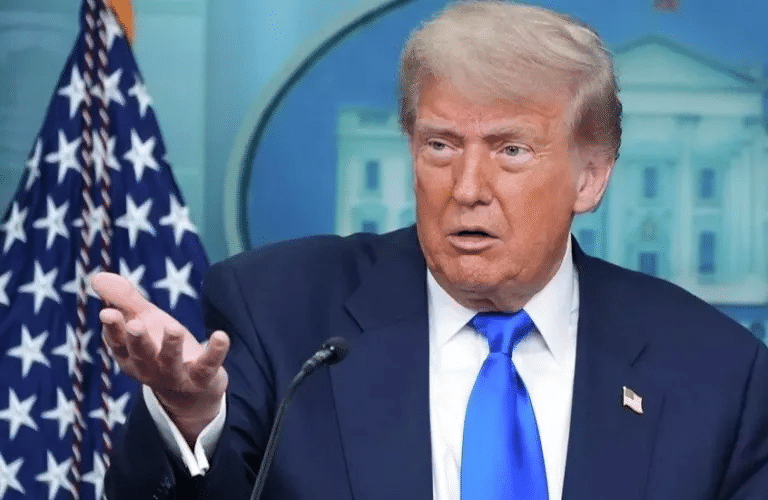
The Chinese military’s remarks follow reciprocal visits by the two presidents. Trump visited Beijing from May 13 to 15, 2026, marking the first visit by a U.S. president to China since 2017. Xi subsequently visited Washington in September.
During their meetings, the two leaders agreed to work toward building a stable and constructive strategic relationship while strengthening communication and coordination on international and regional issues.
Their discussions also covered economic and trade matters, including tariff arrangements and the establishment of mechanisms to address disagreements related to trade and investment.
Washington Summit Addresses Trade, Artificial Intelligence and Global Issues
During Xi’s visit to the United States from September 23 to 25, the two presidents emphasized the importance of turning political understandings into practical steps, keeping cooperation at the forefront of bilateral relations, and managing competition and disagreements.
The discussions covered trade and artificial intelligence, as well as several regional and international issues, including developments in the Middle East, Ukraine, and the Korean Peninsula.
The two sides also agreed to support each other’s hosting of the Asia-Pacific Economic Cooperation (APEC) summit and the Group of Twenty (G20) summit, as part of efforts to expand areas of cooperation despite continuing strategic differences between Washington and Beijing, according to China’s Ministry of Foreign Affairs.
Military Cooperation Does Not End Differences Between Washington and Beijing
The Chinese military’s statements reflect an effort to extend political understandings into the military sphere, particularly by maintaining communication channels and reducing the risk of unintended escalation.
Although Beijing has expressed its willingness to strengthen cooperation, this does not mean that disagreements between the two countries have ended. Rather, it signals a stated intention to manage those differences through dialogue and joint mechanisms while strategic and economic competition between the two powers continues.