
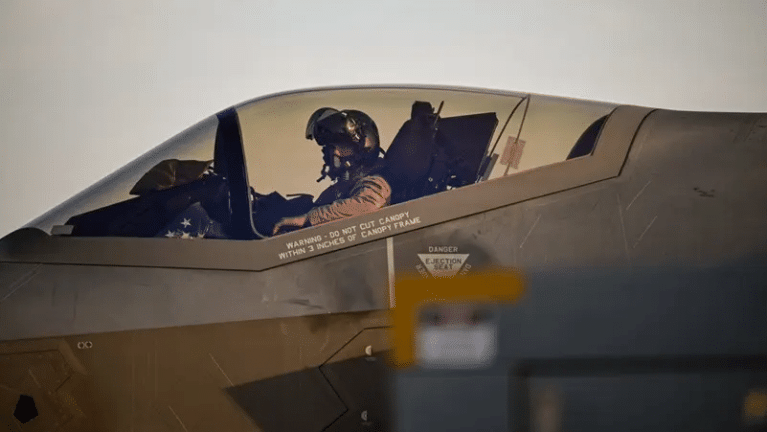
The US military announced on Wednesday that it had helped nearly 4,000 ships transit the Strait of Hormuz, reaffirming its commitment to ensuring the free flow of commercial maritime traffic through the strategic waterway, amid tighter enforcement of the naval blockade imposed on Iran.
The US military said approximately 1.7 billion barrels of oil had been transported through the Strait of Hormuz, as American forces continued operating around the clock to keep the waterway open to commercial shipping.
In a statement published by US Central Command (CENTCOM) on the social media platform X, the command said American forces were continuing maritime operations to protect freedom of navigation, alongside enforcing what it described as a «strict naval blockade» against Iran.
CENTCOM added that US forces were coordinating with various American government agencies to prevent Iran’s Islamic Revolutionary Guard Corps (IRGC) from using overland routes and the Caspian Sea to transport advanced weapons systems and dual-use technologies.
These efforts also include preventing the transfer of sanctioned materials and disrupting illicit revenue channels that Washington accuses the IRGC of exploiting.
Naval Blockade and Pressure on Iran
The US military said the blockade imposed on Iran had prevented the country from exporting 30 billion barrels of oil, although the statement did not specify the period covered by this figure or how it was calculated.
The announcement comes as US military measures aimed at restricting shipping activities linked to Iran continue, alongside Washington’s stated commitment to keeping the Strait of Hormuz open to international commercial traffic.
The Strait of Hormuz is one of the world’s most important routes for oil and gas transportation, connecting the Persian Gulf with the Gulf of Oman and the Arabian Sea. It serves as a key passage for energy shipments bound for global markets.
Maritime traffic through the strait is particularly important to oil-exporting countries in the region and energy-importing economies worldwide, as any disruption to tanker movements could affect global energy supplies and prices.
Efforts to Prevent Arms Transfers Through the Caspian Sea
The operations outlined by CENTCOM extend beyond the Strait of Hormuz. The command said it was continuing to coordinate with relevant US government agencies to prevent the IRGC from using land routes and the Caspian Sea to transport weapons, technologies and sanctioned materials.
The statement did not provide further details about operations along these routes or identify specific shipments that had been intercepted.
Washington reiterated its commitment to protecting commercial shipping through the Strait of Hormuz while maintaining restrictions on maritime and logistical activities linked to Iran.