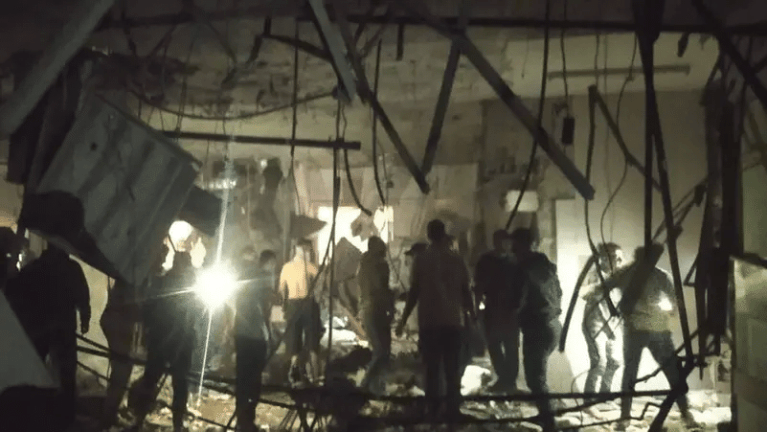

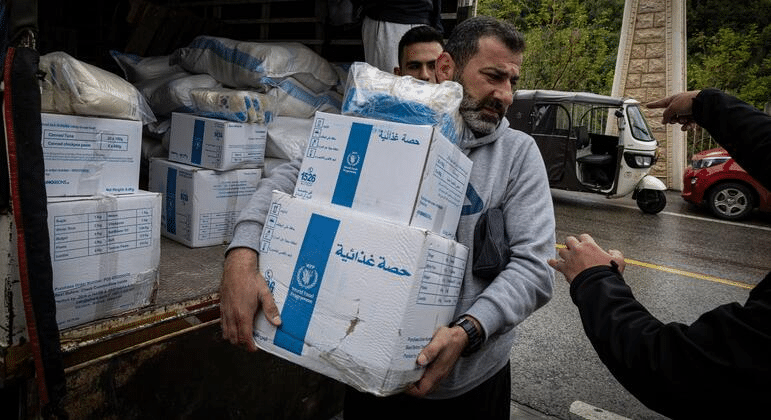
More than one million people in Lebanon are facing acute food insecurity, the United Nations warned on Wednesday, as the country continues to grapple with years of conflict and a severe economic crisis.
Lebanon has endured two successive wars with neighboring Israel since 2023 and remains mired in an unprecedented economic collapse that began seven years ago.
Nearly a quarter of the population is experiencing crisis levels of acute food insecurity or worse, according to a joint statement issued by the UN Food and Agriculture Organization (FAO), the World Food Programme (WFP) and Lebanon’s Ministry of Agriculture.
The organizations called for “urgent action” to ease the worsening situation, warning that the number of people affected is expected to rise to 1.15 million by the middle of next year.
“Employment opportunities remain limited, savings have been depleted and debt remains high, while the cost of food, fuel and other essentials continues to strain household budgets,” the UN agencies said.
Conflict-Affected Areas Face the Greatest Risk
The UN classifies these levels of food insecurity as situations in which households face malnutrition or can meet their minimum food needs only through emergency measures, such as selling assets.
The most concerning conditions are in conflict-affected areas of southern Lebanon, as well as impoverished regions in the north and east of the country, the organizations said.
Lebanese authorities estimate that the economic cost of the two wars between Israel and Hezbollah since October 2023 has reached approximately $27 billion.
The latest war, which began in March as part of the wider conflict involving Iran, Hezbollah’s main regional backer, displaced more than one million people in Lebanon. That figure has since fallen to around 300,000 after the violence subsided in June.
Economic Crisis Deepens Humanitarian Pressures
The fighting erupted as Lebanon was already struggling to recover from its worst-ever economic crisis, which began in 2019.
The crisis has severely weakened household purchasing power and left large segments of the population struggling to afford basic necessities.
Beirut has been seeking financial assistance from the International Monetary Fund (IMF), but the country has yet to implement the reforms required by the institution to release the bailout funds.