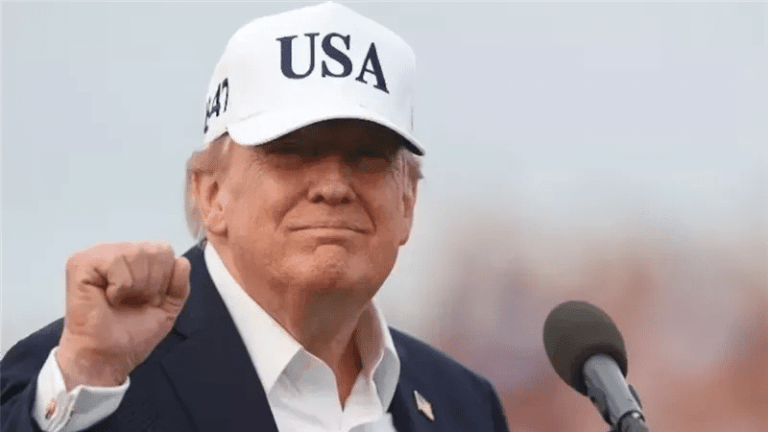

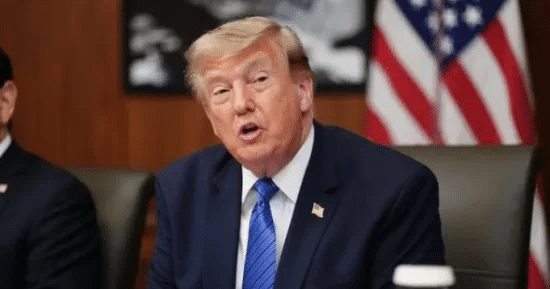
US President Donald Trump has said he is in no hurry to resume large-scale military operations against Iran, adding that Washington will eventually take some action but sees no need to rush into a decision.
In a telephone interview, Trump said his administration would take action regarding Iran, stating: “We will do something one way or another, but there is no need to rush.”
The US president claimed that Tehran was now seeking an agreement “more than ever before”, arguing that American pressure had exhausted the Iranian authorities and that the Iranian people were experiencing significant fatigue as a result of the current situation.
Divisions Within the US Administration Over Iran Policy
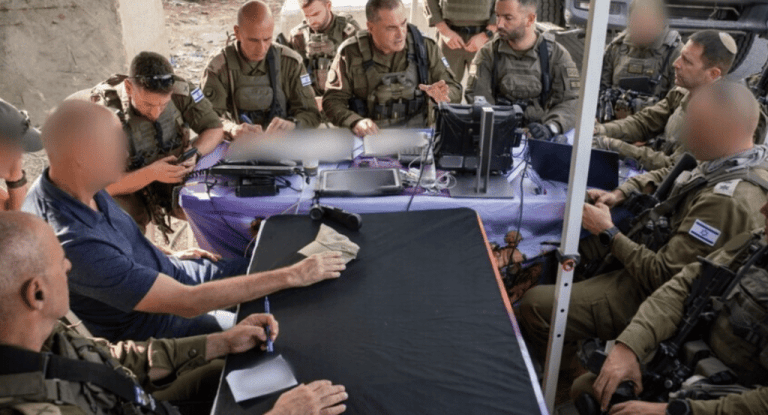
According to reports, views differ within Trump’s inner circle over the next steps toward Tehran. Vice President JD Vance and Gulf countries are pushing for an agreement, while Defense Secretary Pete Hegseth and Israeli Prime Minister Benjamin Netanyahu are calling for a resumption of military strikes.
Meanwhile, officials within the State Department, Treasury Department and Central Intelligence Agency support continuing the policy of economic pressure on Iran.
Media reports have also indicated that Trump is considering resuming strikes against Iran shortly after the midterm elections in an effort to push Tehran back to the negotiating table, although no final decision has been made.
Tehran Favors Dialogue While Warning of Military Response
Iranian President Masoud Pezeshkian previously announced that Supreme Leader Ali Khamenei had issued instructions to resolve the dispute with the United States through dialogue.
At the same time, the Iranian military has declared its readiness to respond to any new US strikes, warning that a renewed confrontation could expand in scope.
Background to the Conflict Between Washington and Tehran
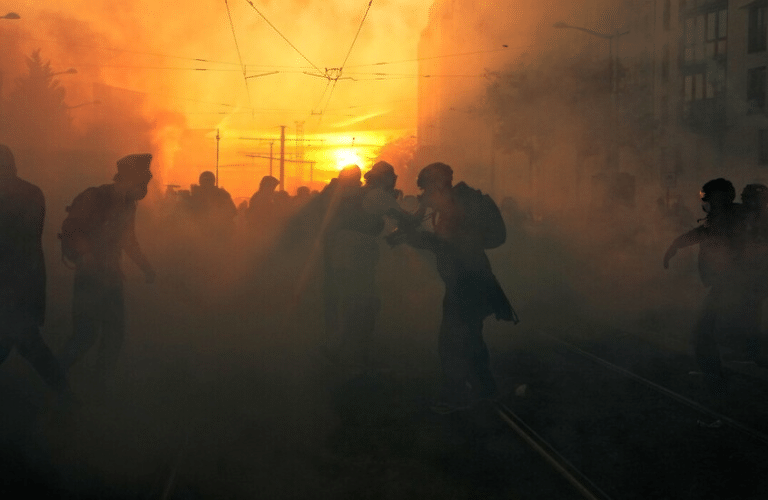
The United States and Israel began striking targets inside Iran on February 28, prompting Tehran to retaliate by targeting Israel and US military bases across Gulf countries and Jordan.
In mid-June, Tehran and Washington signed a memorandum to halt hostilities. However, the two sides later exchanged strikes again, leaving the conflict unresolved and without a final settlement.