
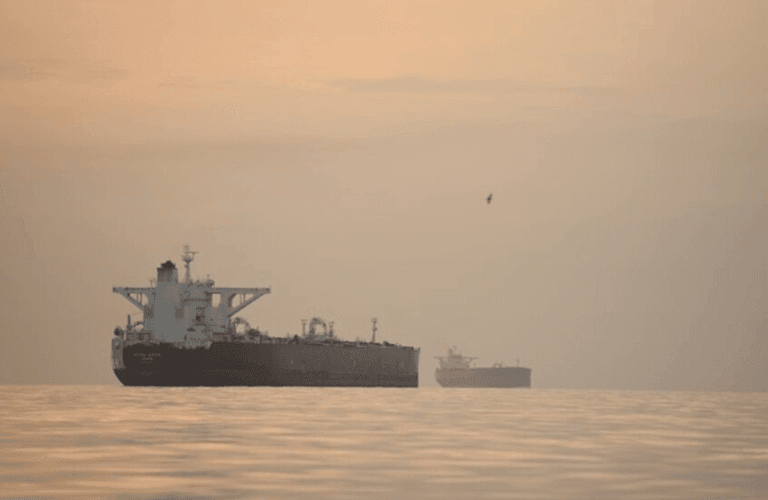
Commercial shipping traffic through the Strait of Hormuz has declined sharply in recent days, with the number of commodity vessels observed transiting the strategic waterway falling to around five vessels per day, amid continued attacks on ships and growing security concerns in the region.
Shipping data showed a significant drop in vessel traffic, with only three ships recorded on Saturday, two on Sunday, and four on Monday, highlighting the increasing caution among shipping companies operating in the area.
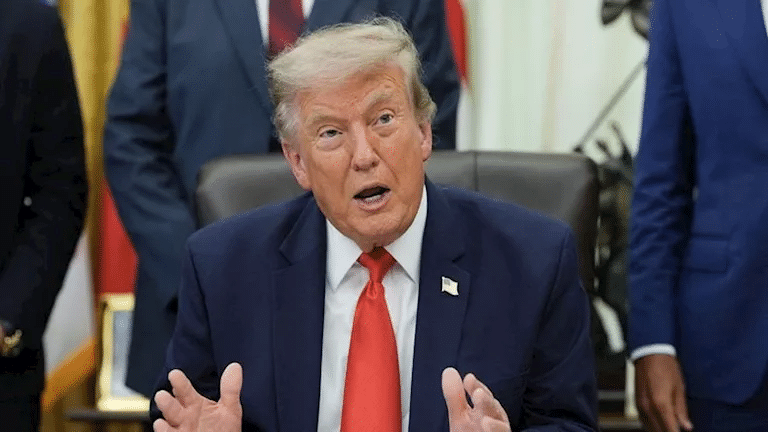
The decline comes amid escalating tensions surrounding the Strait of Hormuz, particularly following statements by U.S. President Donald Trump regarding the waterway. The developments have prompted shipping companies to adopt more cautious measures in an effort to reduce security risks.
Data also showed a sharp decline in the number of Iranian vessels observed in the strait, falling from seven vessels before the U.S. statements to just one afterward.
Dark Shipping Makes Vessel Tracking More Difficult
Despite the reported figures, actual shipping activity may be higher, as some vessels switch off their Automatic Identification System (AIS) while passing through the strait to reduce the risk of being detected or targeted. This practice is commonly referred to as “dark shipping.”
According to the data, more than 80% of vessels that transited the Strait of Hormuz over the past two weeks used the Omani route rather than the Iranian route, indicating that shipping companies are increasingly favoring routes they consider safer amid the heightened tensions.
Some vessels have also been using maritime lanes in the southern part of the strait while disabling tracking systems during transit, with some operating under U.S. protection.
Attacks Continue Despite Security Measures
Despite security measures and the use of alternative routes, attacks on vessels in the region have continued. At least 15 ships have been attacked since the beginning of June, resulting in 16 sailors being injured and two deaths, according to the available data.
The developments highlight the growing risks facing global trade through the Strait of Hormuz, one of the world’s most important maritime routes for transporting oil and other commodities.
The waterway remains under significant pressure from escalating military and security tensions, while the United States has reportedly continued imposing broad maritime restrictions on Iranian ports and coastal areas since mid-July amid rising tensions between Washington and Tehran.