
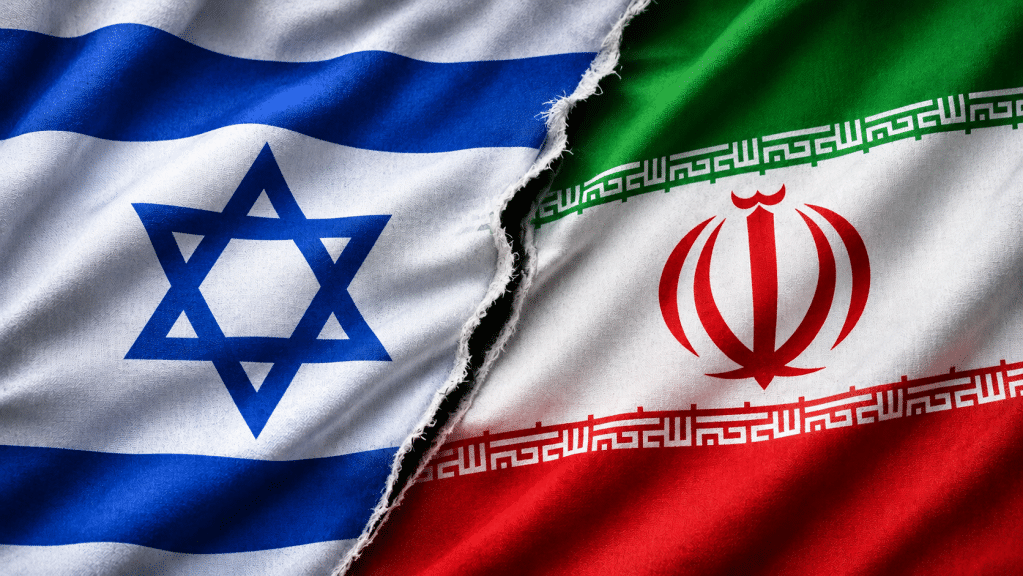
Oded Eilam, former deputy head of the Mossad’s global operations division, has said that Israel could carry out a surprise attack similar to the 2024 operation involving the explosion of Hezbollah communication devices in Lebanon and Syria, this time targeting Iran’s military leadership and eliminating its senior commanders.
In remarks to the New York Post, Eilam said that surprise and unexpected moves are at the heart of Israel’s strategy, stressing that Tel Aviv has intelligence and military assets it could use in the coming period.
Eilam identified four Iranian military and security figures as the main centers of power within the regime: Islamic Revolutionary Guard Corps Commander Ahmad Vahidi, Basij Commander Hossein Taeb, Iranian Armed Forces Chief of Staff Ali Abdollahi, and Secretary of the Supreme National Security Council Mohsen Rezaei.
According to his assessment, Iranian President Masoud Pezeshkian, Foreign Minister Abbas Araghchi, Parliament Speaker Mohammad Bagher Ghalibaf, and the new Supreme Leader Mojtaba Khamenei do not hold real decision-making authority, which he believes remains concentrated in the hands of military leaders.
Divisions Within Iran’s Leadership
Eilam said Iranian military leaders had obstructed efforts by the country’s political leadership to reach an agreement with Washington, believing that closing the Strait of Hormuz would give Tehran a strategic advantage.
He added that divisions within the Iranian regime were deepening amid economic sanctions and the US military blockade, with differences emerging among the country’s leadership over how to respond.
Meanwhile, retired US General Jack Keane said that any potential US and Israeli strikes should target Iran’s leadership, as well as its nuclear facilities, energy infrastructure, ballistic missile installations and drone capabilities.
Warnings of Iranian Retaliation Against the Gulf and Israel
Former officials and analysts have warned that any new US-Israeli attack could trigger Iranian retaliation against energy facilities and civilian infrastructure in Gulf countries, as well as Israel.
Former Israeli Major General Yaakov Amidror said that if Iran targeted energy facilities in the Gulf, Israel could use that as justification to destroy Iran’s entire energy infrastructure, warning that such a move could set the country back decades.
Amidror stressed that Israel’s priority would remain neutralizing Iran’s nuclear and missile capabilities, while military leaders could also become targets if hostilities resume.
US Military Movements Raise Fears of Escalation
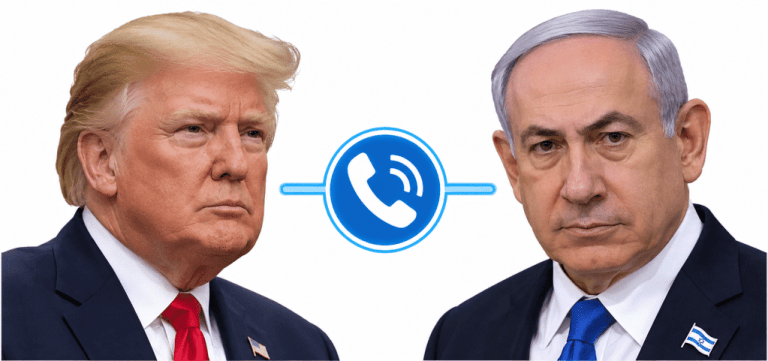
Concerns are growing over a possible escalation between the United States and Iran, particularly following reports that a third US aircraft carrier is heading to the Middle East, alongside warnings from President Donald Trump about potentially major developments.
The USS Theodore Roosevelt, a Nimitz-class aircraft carrier, is reportedly heading to the region to join the USS George Washington and the USS George W. Bush.
On Friday, Trump said the war would “end soon” without explaining how that would happen. Republican Senator Roger Marshall predicted that the conflict could end just days after the midterm elections, while warning against approaching Iran during that period.
Democratic Senator Chris Murphy, meanwhile, warned that potential US military plans to resume operations could lead to devastating escalation, pointing to the possibility of strikes against civilian infrastructure.