


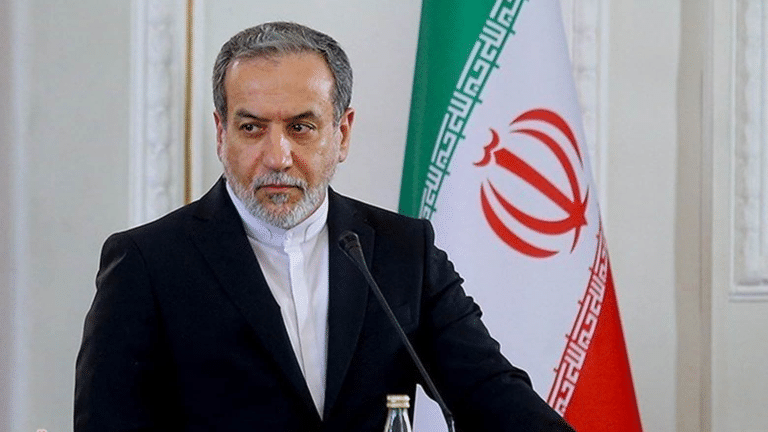
Iranian Foreign Minister Abbas Araghchi said Saturday that Tehran would not back down from its conditions for reopening the Strait of Hormuz, following US President Donald Trump’s rejection of Iran’s latest proposal to resolve the conflict.
Araghchi said Iran’s conditions were “clear” and that any move toward reopening the strait would depend on those conditions being met. He added that Tehran was awaiting the final US position through mediators before deciding on its next steps.
The Iranian foreign minister said Tehran had conveyed its conditions to the mediators and fully explained them during meetings, adding that the points had subsequently been communicated to the US side.
He also said Iran believes negotiations are the way out of the crisis, provided they are based on what he described as “honor and justice” and guarantee the rights and demands of the Iranian people.
Trump Rejects Iranian Proposal
Trump had rejected Iran’s latest proposal, saying that Tehran wants to reach a deal and that Washington also wants an agreement, but that the Iranian proposal was unacceptable to the United States.
The US president also criticized Iran’s decision to close the Strait of Hormuz, arguing that Tehran had put itself in a difficult position by taking the step. He also referred to US military measures aimed at restricting movement through the strategic waterway.
Tehran had presented a new plan aimed at halting the conflict and resuming negotiations over its nuclear program. The proposal includes reciprocal measures following US approval, including lifting the naval blockade on Iranian ports and releasing part of Iran’s frozen assets abroad.
France Prepares UN Security Council Move
Meanwhile, France is preparing a draft resolution at the United Nations Security Council supporting freedom of navigation through the Strait of Hormuz amid escalating tensions linked to the conflict with Iran.
The proposed resolution would emphasize the importance of freedom of navigation through the strait, a vital waterway for global trade and energy and food supplies.
The Strait of Hormuz has become one of the main focal points of the confrontation between Washington and Tehran, as maritime traffic through the waterway remains closely linked to the course of military operations and diplomatic efforts aimed at reaching a settlement.
The United States has insisted on ensuring freedom of navigation and opposing restrictions or transit fees on ships using the waterway, while Iran maintains that vessels must comply with navigation procedures and routes designated by Iranian authorities.


