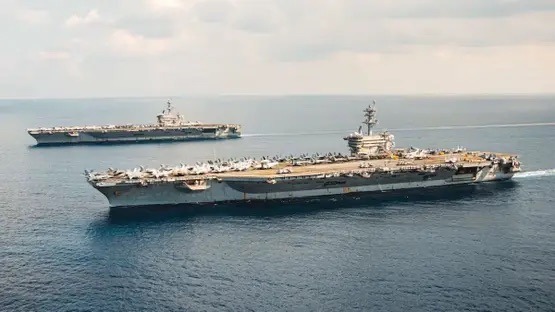

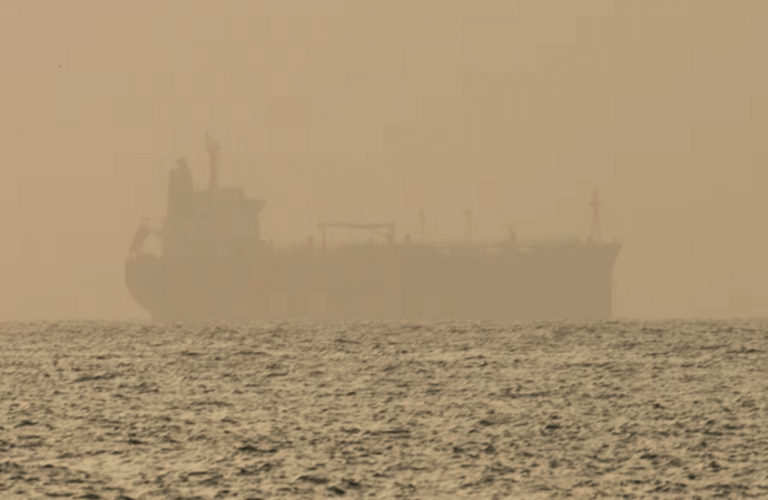
The U.S. Central Command (CENTCOM) announced that vessels receiving cargoes at sea from ships loaded in Iran could be considered attempts to circumvent the naval blockade imposed on Iranian ports.
In guidance issued on Wednesday, CENTCOM said the assessment comes as part of tighter maritime measures imposed by the United States on oil exports linked to Iran.
CENTCOM explained that any vessel receiving a shipment from another vessel subject to the blockade, where the cargo was loaded at an Iranian port or along the Iranian coast, could be classified as attempting to evade the blockade, even if it does not enter Iranian ports or territorial waters.
The command added that vessels falling under this assessment could face measures including being stopped, boarded, diverted, seized, or returned to the Iranian port from which the shipment originated.
The statement noted that transferring cargo from one vessel to another at sea would not necessarily prevent the operation from being considered a violation of U.S. restrictions on the movement of Iranian oil.
The United States began imposing a naval blockade on April 13, before lifting it in June following the reaching of a draft understanding with Tehran. Washington reinstated the blockade on July 14 after the agreement collapsed.
The statement provided no further details on how the potential measures against vessels receiving oil shipments at sea would be enforced, nor did it specify the geographical scope of the operations.