

Iran has targeted maritime navigation systems on Oman’s Didmar Island in the Strait of Hormuz, according to sources cited by Reuters, in an attack that threatens infrastructure needed to restore oil flows from the Gulf region.
The three sources did not provide an assessment of the extent of the damage caused by the attacks. Reuters was also unable to independently verify whether the navigation systems had actually been destroyed, following Tehran’s announcement on Tuesday that it was responsible for the strikes.
Limited Impact on Shipping Traffic
Two shipping industry sources and a maritime security source said the attacks on Didmar Island were likely to have a limited impact on commercial shipping through the strait, given the availability of alternative navigation systems at other locations.
The attacks come as Gulf oil exporters increasingly turn to alternative arrangements to maintain crude shipments through the Strait of Hormuz, including transferring cargo between vessels off the coasts of Oman and the United Arab Emirates.
Iran Claims Responsibility for the Attack
Iranian state media reported on Tuesday that the Islamic Revolutionary Guard Corps (IRGC) had carried out attacks that destroyed what it described as «enemy navigation systems» on Didmar Island.
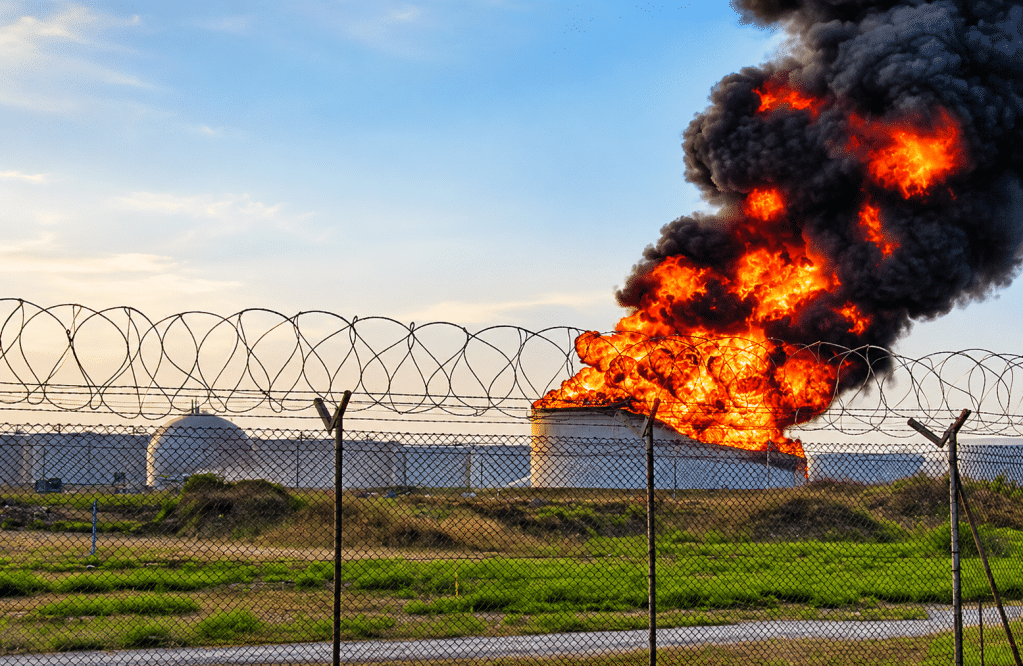
Video footage showed smoke rising from the island, according to Reuters, although it was not immediately clear what was burning. An image from the European Union’s Copernicus satellite program also revealed thermal activity in the area.
US Assistance for Ships Transiting the Strait of Hormuz
The US military has been assisting commercial vessels transiting the strait after Iranian attacks disrupted maritime traffic following the outbreak of the US-Israeli war against Iran in late February.
Oil tankers, most of them very large crude carriers, are transporting shipments from Gulf ports to designated ship-to-ship transfer locations near Sohar in Oman and Fujairah in the UAE.
Gulf Oil Exports Recover to More Than 80% of Prewar Levels
The developments come as Gulf oil exports rose to more than 80% of their prewar levels during September and October.
The recovery has been supported by continued oil flows through the Strait of Hormuz with US military assistance, alongside increased Saudi exports through the Red Sea port of Yanbu.